10 Best Wi-Fi Routers 2026 in the United States
Winner
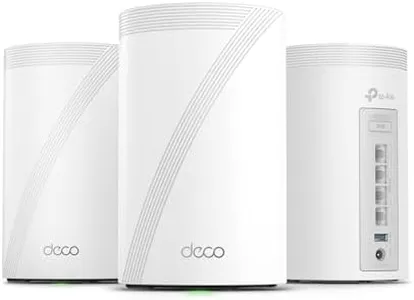
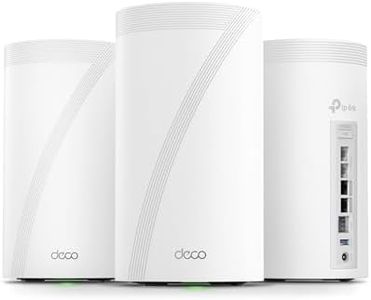
TP-Link Deco 7 Pro BE63 Tri-Band WiFi 7 BE10000 Whole Home Mesh System- 6-Stream 10 Gbps, 4x2.5G Ports Wired Backhaul, 4X Smart Internal Antennas, VPN, HomeShield, Free Expert Support (2-Pack)
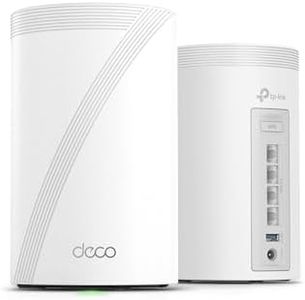
The TP-Link Deco 7 Pro BE63 is a powerful mesh Wi-Fi system designed to cover large homes up to 5,800 square feet with fast and reliable internet. It uses the latest Wi-Fi 7 standard, which means it offers very high speeds—up to 10 Gbps combined across its three bands (6 GHz, 5 GHz, and 2.4 GHz). This is great for heavy internet activities like 4K/8K streaming, gaming, and supporting many devices at once, as it can handle over 200 connected gadgets without slowing down.
Most important from
550 reviews
TP-Link Deco XE75 AXE5400 Tri-Band WiFi 6E System - Wi-Fi up to 7200 Sq.Ft, Engadget Rated Best for Most People, Replaces WiFi Router and Extender, AI-Driven New 6GHz Band, 3-Pack

The TP-Link Deco XE75 is a strong choice for anyone looking to upgrade their home Wi-Fi to the latest WiFi 6E technology. It supports tri-band WiFi, including the new 6 GHz band, which means less interference and faster speeds, especially if you have newer devices that support this band. The system covers a large area—up to 7,200 square feet with a 3-pack—so it’s ideal for big homes or spaces with Wi-Fi dead zones.
Most important from
2127 reviews
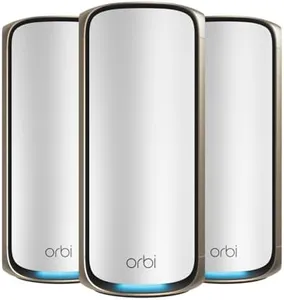
NETGEAR Orbi 770 Series Tri-Band WiFi 7 Mesh Network System (RBE773) - Router + 2 Satellite Extenders, Security Features, Up to 11Gbps, Covers up to 8,000 sq. ft., 100 Devices, 2.5 Gig Internet Port
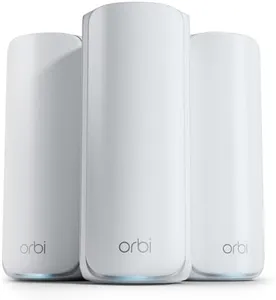
The NETGEAR Orbi 770 Series is a powerful WiFi 7 mesh system designed to cover large homes up to 8,000 sq. ft. It supports extremely fast speeds of up to 11Gbps, which is great if you have many devices or do high-bandwidth activities like gaming and streaming. Its tri-band setup with enhanced backhaul helps keep the connection stable even when many devices are connected simultaneously, supporting up to 100 devices without slowing down. The system includes one router and two satellite extenders, ensuring strong WiFi signals throughout your home.
Most important from
841 reviews
Top 10 Best Wi-Fi Routers 2026 in the United States
Winner
TP-Link Deco 7 Pro BE63 Tri-Band WiFi 7 BE10000 Whole Home Mesh System- 6-Stream 10 Gbps, 4x2.5G Ports Wired Backhaul, 4X Smart Internal Antennas, VPN, HomeShield, Free Expert Support (2-Pack)
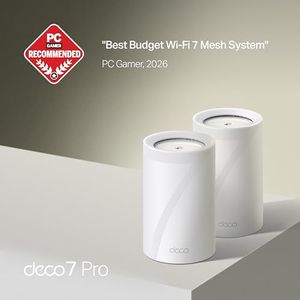



TP-Link Deco 7 Pro BE63 Tri-Band WiFi 7 BE10000 Whole Home Mesh System- 6-Stream 10 Gbps, 4x2.5G Ports Wired Backhaul, 4X Smart Internal Antennas, VPN, HomeShield, Free Expert Support (2-Pack)
Chosen by 1189 this week
TP-Link Deco XE75 AXE5400 Tri-Band WiFi 6E System - Wi-Fi up to 7200 Sq.Ft, Engadget Rated Best for Most People, Replaces WiFi Router and Extender, AI-Driven New 6GHz Band, 3-Pack



TP-Link Deco XE75 AXE5400 Tri-Band WiFi 6E System - Wi-Fi up to 7200 Sq.Ft, Engadget Rated Best for Most People, Replaces WiFi Router and Extender, AI-Driven New 6GHz Band, 3-Pack
NETGEAR Orbi 770 Series Tri-Band WiFi 7 Mesh Network System (RBE773) - Router + 2 Satellite Extenders, Security Features, Up to 11Gbps, Covers up to 8,000 sq. ft., 100 Devices, 2.5 Gig Internet Port




NETGEAR Orbi 770 Series Tri-Band WiFi 7 Mesh Network System (RBE773) - Router + 2 Satellite Extenders, Security Features, Up to 11Gbps, Covers up to 8,000 sq. ft., 100 Devices, 2.5 Gig Internet Port
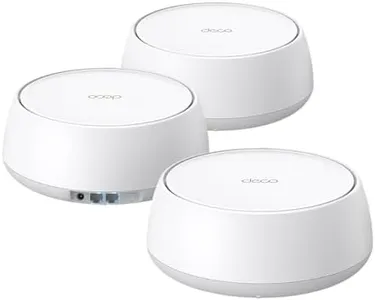
TP-Link Deco X55 AX3000 WiFi 6 Mesh System - Covers up to 6500 Sq.Ft, Replaces Wireless Router and Extender, 3 Gigabit Ports per Unit, Supports Ethernet Backhaul, Deco X55(3-Pack)
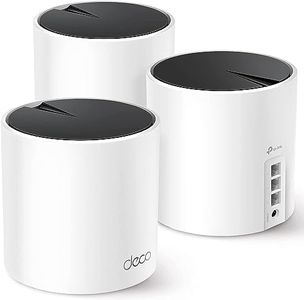

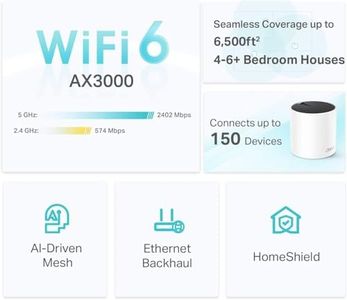

TP-Link Deco X55 AX3000 WiFi 6 Mesh System - Covers up to 6500 Sq.Ft, Replaces Wireless Router and Extender, 3 Gigabit Ports per Unit, Supports Ethernet Backhaul, Deco X55(3-Pack)
TP-Link Deco X55 AX3000 WiFi 6 Mesh System - Covers up to 4500 Sq.Ft, Replaces Wireless Router and Extender, 3 Gigabit Ports per Unit, Supports Ethernet Backhaul, Deco X55(2-Pack)
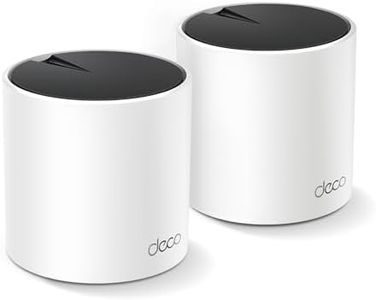

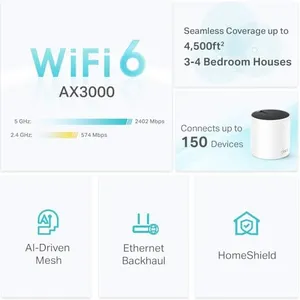


TP-Link Deco X55 AX3000 WiFi 6 Mesh System - Covers up to 4500 Sq.Ft, Replaces Wireless Router and Extender, 3 Gigabit Ports per Unit, Supports Ethernet Backhaul, Deco X55(2-Pack)
Related Products
Up to 30% off
NETGEAR Orbi 770 Series Tri-Band WiFi 7 Mesh Network System (RBE772) - Router + 1 Satellite Extender, Security Features, Up to 11Gbps, Covers up to 5,500 sq.ft., 100 Devices, 2.5 Gig Internet Port
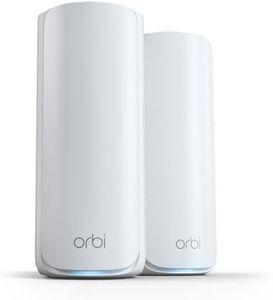
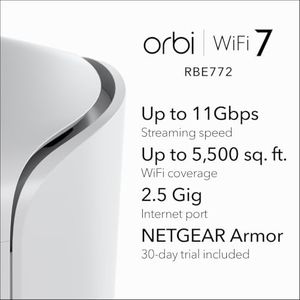
NETGEAR Orbi 770 Series Tri-Band WiFi 7 Mesh Network System (RBE772) - Router + 1 Satellite Extender, Security Features, Up to 11Gbps, Covers up to 5,500 sq.ft., 100 Devices, 2.5 Gig Internet Port
NETGEAR Orbi 970 Series Quad-Band WiFi 7 Mesh Network System (RBE973S), Router + 2 Satellite Extenders, Security Features, Up to 27Gbps, Covers Up to 10,000 sq. ft., 200 Devices, 10 Gig Internet Port




NETGEAR Orbi 970 Series Quad-Band WiFi 7 Mesh Network System (RBE973S), Router + 2 Satellite Extenders, Security Features, Up to 27Gbps, Covers Up to 10,000 sq. ft., 200 Devices, 10 Gig Internet Port
Amazon eero Pro 7 tri-band mesh Wi-Fi 7 router (newest model) - Supports internet plans up to 5 Gbps, Coverage up to 6,000 sq. ft., 3-pack
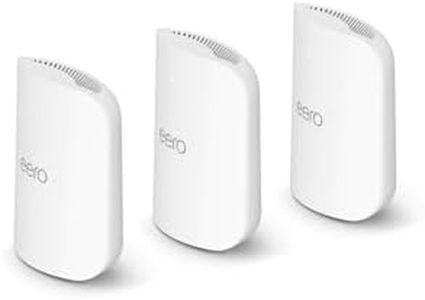

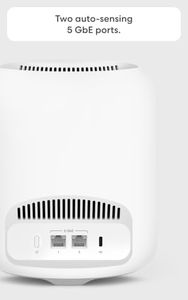
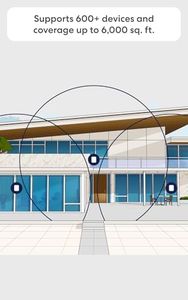

Amazon eero Pro 7 tri-band mesh Wi-Fi 7 router (newest model) - Supports internet plans up to 5 Gbps, Coverage up to 6,000 sq. ft., 3-pack
TP-Link WiFi 7 Bundle: Archer BE600 BE9700 Tri-Band Router + Archer TBE400U BE6500 USB 3.0 WiFi Adapter | 10G Router with USB-C & A Desktop Upgrade, 6GHz, 320MHz Channel, MLO, WPA3, Plug and Play
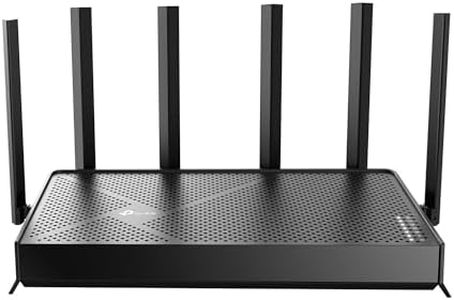



TP-Link WiFi 7 Bundle: Archer BE600 BE9700 Tri-Band Router + Archer TBE400U BE6500 USB 3.0 WiFi Adapter | 10G Router with USB-C & A Desktop Upgrade, 6GHz, 320MHz Channel, MLO, WPA3, Plug and Play
TP-Link Deco XE75 AXE5400 Tri-Band WiFi 6E Mesh System - Covers up to 5500 Sq.Ft, Replaces WiFi Router and Extender, AI-Driven Mesh, 6GHz Band, 2-Pack
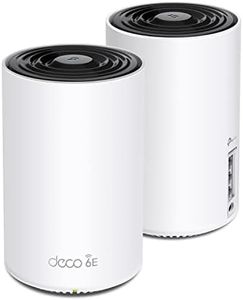

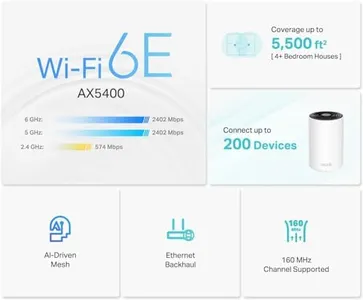

TP-Link Deco XE75 AXE5400 Tri-Band WiFi 6E Mesh System - Covers up to 5500 Sq.Ft, Replaces WiFi Router and Extender, AI-Driven Mesh, 6GHz Band, 2-Pack
Our technology thoroughly searches through the online shopping world, reviewing hundreds of sites. We then process and analyze this information, updating in real-time to bring you the latest top-rated products. This way, you always get the best and most current options available.
