10 Best Emergency Radios 2026 in the United States
Winner
Midland - WR400 Weather Radio Deluxe - NOAA Emergency Alert Scanner – Home Use with Battery Backup - Local County Programming Over 80 Emergency Voice Flashing Alerts – Alarm Clock AM/FM Radio
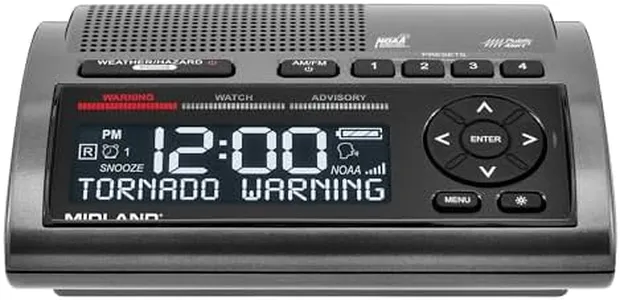
The Midland WR400 Weather Radio is designed for home use by those wanting reliable weather alerts and emergency information. It operates on both corded power and battery backup (using 4 AA batteries), which is great for power outages. This makes it dependable during emergencies when electricity might be unavailable. It tunes into NOAA weather frequencies and AM radio, scanning 10 weather channels to pick the strongest signal. The radio supports S.A.M.E. technology, allowing you to program alerts for up to 25 counties and receive over 80 types of emergency warnings, including severe weather and AMBER alerts. This feature helps you get only the alerts relevant to your area, enhancing preparedness.
Most important from
4595 reviews
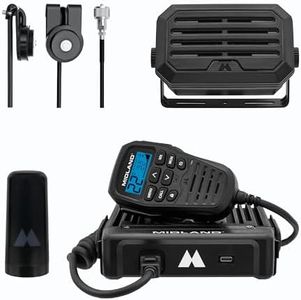
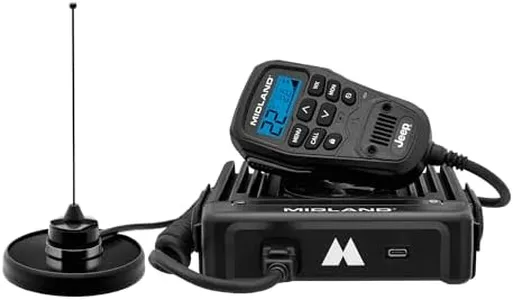
Midland MXT575 GMRS Mobile Radio, Two-Way Radio with NOAA Weather Scan and Alert - for Farms, Ranches, Overlanding - Repeater Capable, Integrated Control Mic,- External Magnetic Mount
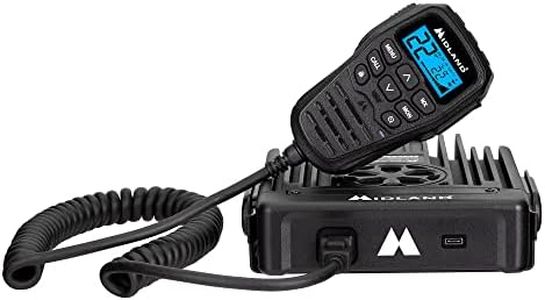
The Midland MXT575 is a solid choice for those needing a reliable emergency or outdoor radio, especially for farms, ranches, or overlanding trips. It operates on GMRS frequencies with a good range of up to 50 miles in ideal conditions, which is excellent for staying connected over long distances. The radio supports 15 channels and offers both wide and narrow band options, giving some flexibility for communication needs.
Cobra BlueBound 350 VHF Handheld Marine Radio – Black – 6-Watt, Floating, Long Range, NOAA Weather Alerts, International Functionality, IPX7 Waterproof, USB-C, Submersible, LCD Screen, Belt Clip
The Cobra BlueBound 350 is a solid choice for an emergency marine radio, especially if you spend time on the water. It runs on a rechargeable battery that lasts about 12 hours, which should cover most outings. It offers 6-watt VHF power with options to adjust the strength, helping you save battery when communicating nearby or reach farther when needed. With 98 channels and NOAA weather alerts, you can stay informed about changing conditions, which is crucial for safety.
Most important from
37 reviews
Top 10 Best Emergency Radios 2026 in the United States
Winner
Midland - WR400 Weather Radio Deluxe - NOAA Emergency Alert Scanner – Home Use with Battery Backup - Local County Programming Over 80 Emergency Voice Flashing Alerts – Alarm Clock AM/FM Radio


Midland - WR400 Weather Radio Deluxe - NOAA Emergency Alert Scanner – Home Use with Battery Backup - Local County Programming Over 80 Emergency Voice Flashing Alerts – Alarm Clock AM/FM Radio
Chosen by 1210 this week
Midland MXT575 GMRS Mobile Radio, Two-Way Radio with NOAA Weather Scan and Alert - for Farms, Ranches, Overlanding - Repeater Capable, Integrated Control Mic,- External Magnetic Mount
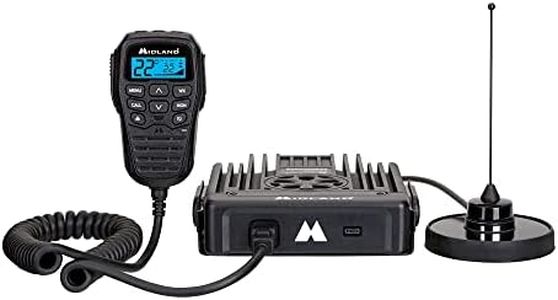
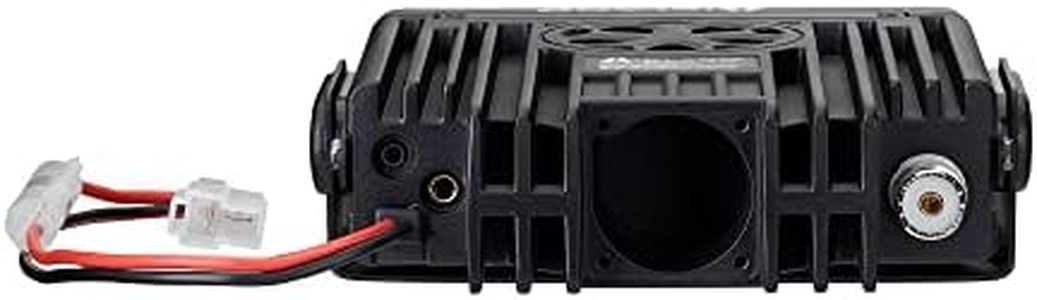
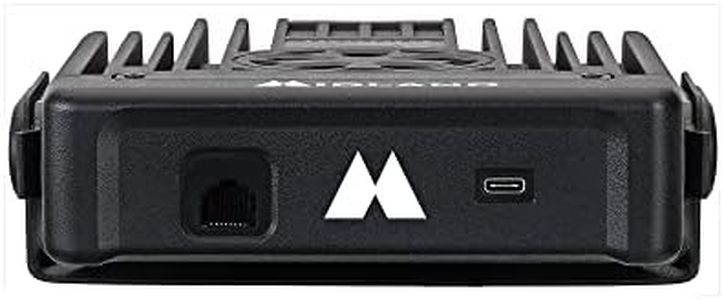

Midland MXT575 GMRS Mobile Radio, Two-Way Radio with NOAA Weather Scan and Alert - for Farms, Ranches, Overlanding - Repeater Capable, Integrated Control Mic,- External Magnetic Mount
Cobra BlueBound 350 VHF Handheld Marine Radio – Black – 6-Watt, Floating, Long Range, NOAA Weather Alerts, International Functionality, IPX7 Waterproof, USB-C, Submersible, LCD Screen, Belt Clip
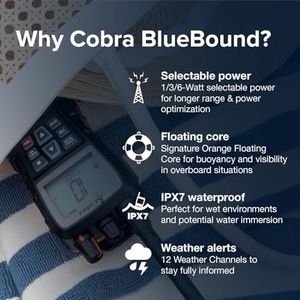
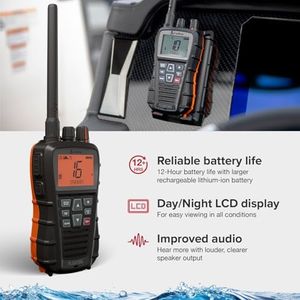
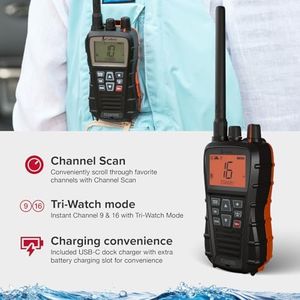

Cobra BlueBound 350 VHF Handheld Marine Radio – Black – 6-Watt, Floating, Long Range, NOAA Weather Alerts, International Functionality, IPX7 Waterproof, USB-C, Submersible, LCD Screen, Belt Clip
Midland ER40 Emergency Crank Radio
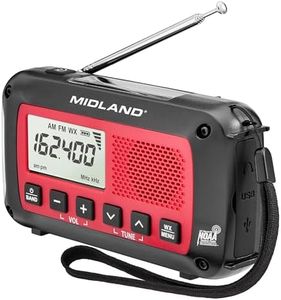
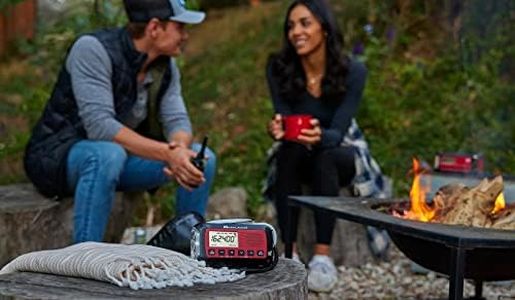
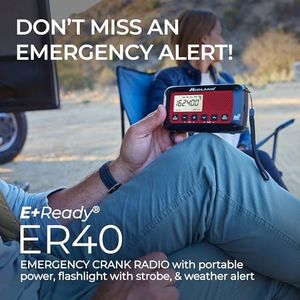
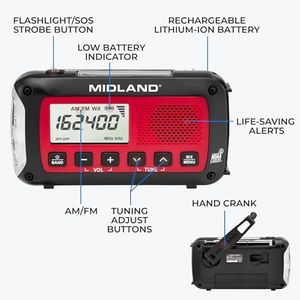
Midland ER40 Emergency Crank Radio
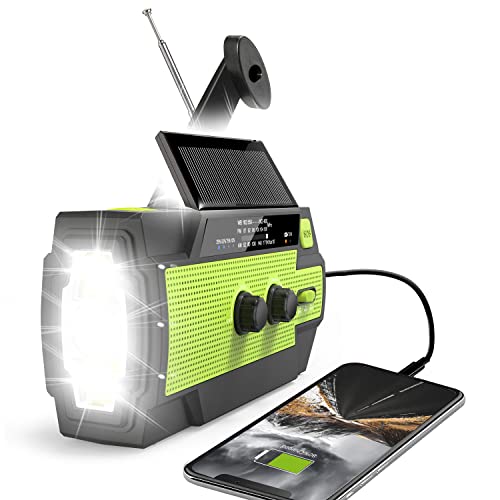
Emergency Weather Radio with Large Solar Panel, Efficient Hand Crank & Real 12000mAh Battery | AM/FM/NOAA Bands, LED Flashlight, Reading Lamp, SOS Alarm & Phone Charger for Camping & Emergencies
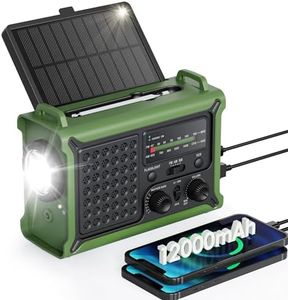
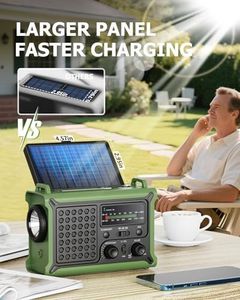
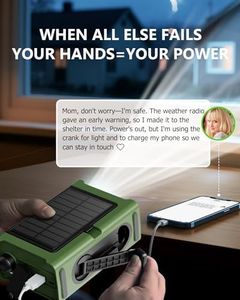
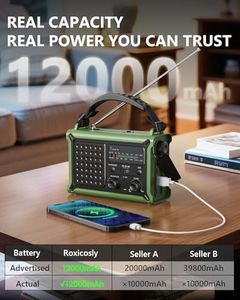
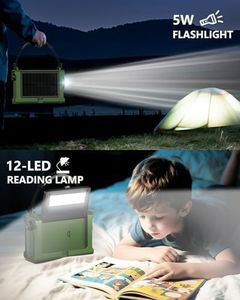
Emergency Weather Radio with Large Solar Panel, Efficient Hand Crank & Real 12000mAh Battery | AM/FM/NOAA Bands, LED Flashlight, Reading Lamp, SOS Alarm & Phone Charger for Camping & Emergencies
Related Products
Up to 10% off
Midland - WR120B - NOAA Emergency Weather Alert Radio - Localized Programming, Trilingual Display, 60+ Emergency Alerts, Alarm, Selectable Alert Tone
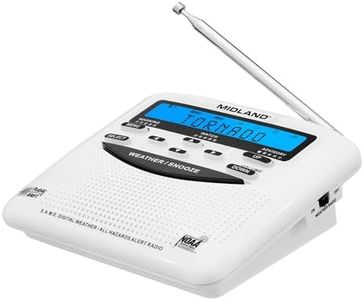

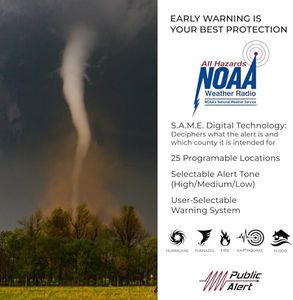
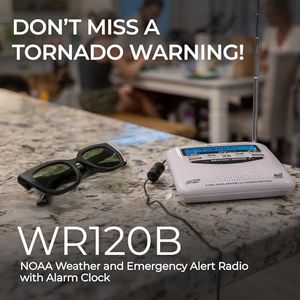
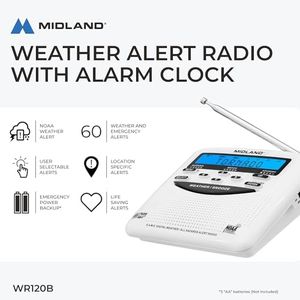
Midland - WR120B - NOAA Emergency Weather Alert Radio - Localized Programming, Trilingual Display, 60+ Emergency Alerts, Alarm, Selectable Alert Tone
Cobra BlueBound 350 VHF Handheld Marine Radio - White – 6-Watt, Floating, Long Range, NOAA Weather Alerts, International Functionality, IPX7 Waterproof, USB-C, Submersible, LCD Screen, Belt Clip
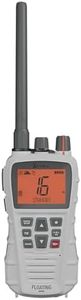
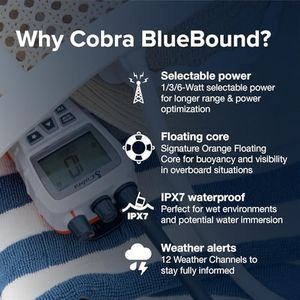
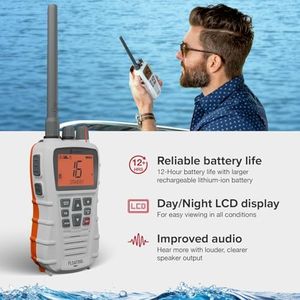
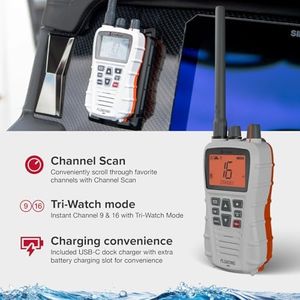
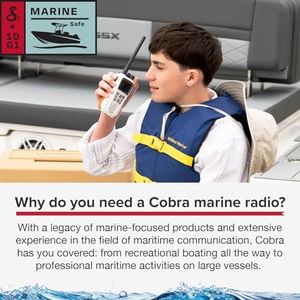
Cobra BlueBound 350 VHF Handheld Marine Radio - White – 6-Watt, Floating, Long Range, NOAA Weather Alerts, International Functionality, IPX7 Waterproof, USB-C, Submersible, LCD Screen, Belt Clip
FosPower NOAA Emergency Weather Radio A6 19240mWh Portable Power Bank, AM/FM, USB/Solar/Hand Crank Charging, Battery Operated, SOS Alarm & Flashlight for Indoor/Outdoor Emergency - Orange
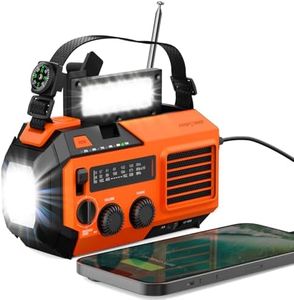

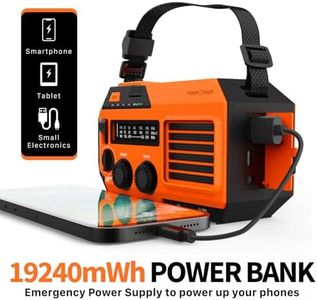
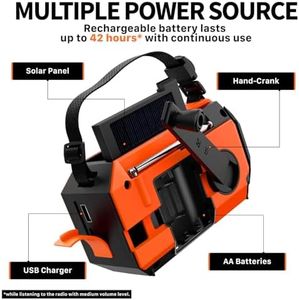
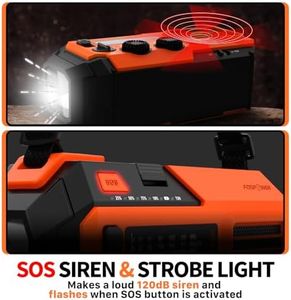
FosPower NOAA Emergency Weather Radio A6 19240mWh Portable Power Bank, AM/FM, USB/Solar/Hand Crank Charging, Battery Operated, SOS Alarm & Flashlight for Indoor/Outdoor Emergency - Orange
FosPower NOAA Emergency Weather Radio D8 37000mWh Portable Power Bank, AM/FM, USB/Solar/Hand Crank Charging, SOS Alarm & Flashlight for Indoor/Outdoor Emergency - Orange
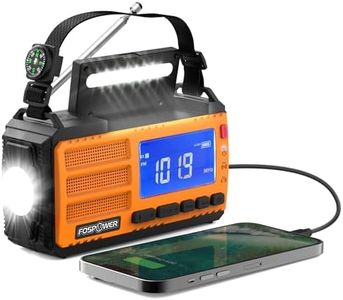
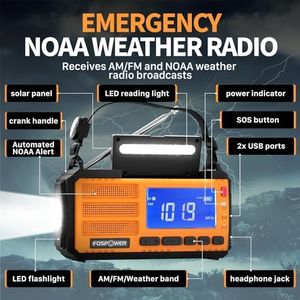
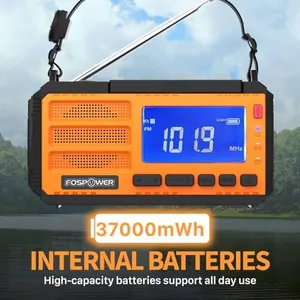
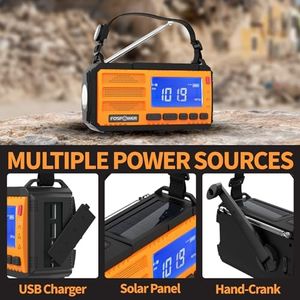
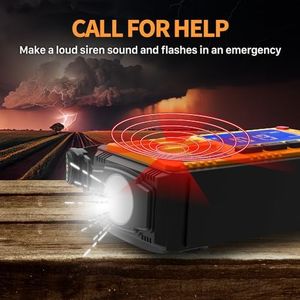
FosPower NOAA Emergency Weather Radio D8 37000mWh Portable Power Bank, AM/FM, USB/Solar/Hand Crank Charging, SOS Alarm & Flashlight for Indoor/Outdoor Emergency - Orange
Yaesu FTA550L Handheld VHF Transceiver w/Li-Ion Battery
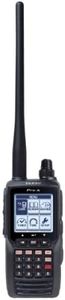
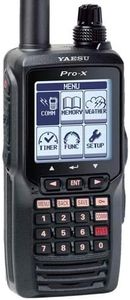
Yaesu FTA550L Handheld VHF Transceiver w/Li-Ion Battery
Recommended lists
Emergency Crank Radios
Our technology thoroughly searches through the online shopping world, reviewing hundreds of sites. We then process and analyze this information, updating in real-time to bring you the latest top-rated products. This way, you always get the best and most current options available.
