10 Best Digital Antennas 2026 in the United States
Winner
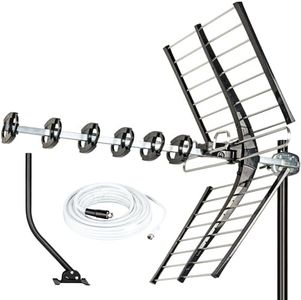
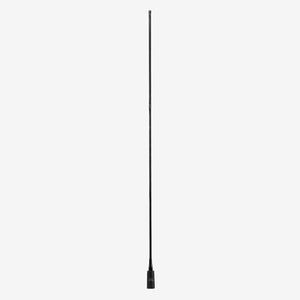
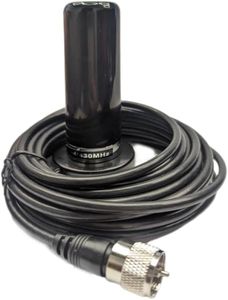
Digital Antenna 529-VW-S 8-ft White VHF Antenna with Cable

The Digital Antenna 529-VW-S is a compact VHF antenna measuring 8 feet in length and includes a 20-foot cable with gold connectors to enhance signal quality. It is primarily designed for radio frequency reception with a standard impedance of 50 ohms. The antenna features soldered connections and a durable high-glass finish, making it sturdy and suitable for both indoor and outdoor use.
Most important from
18 reviews
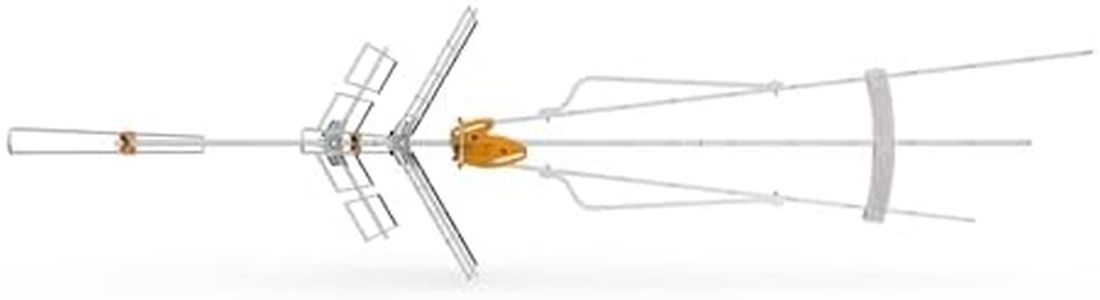
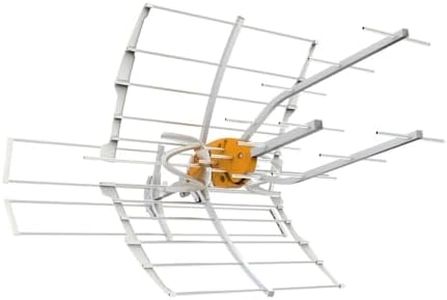
Televes DAT BOSS Mix LR 148383 Full-Band HDTV Antenna – Long-Range Low VHF/High VHF/UHF Reception with TForce BOSS Amplifier, FM & LTE/4G/5G Filtering, Up to 100 mi - Made in Spain
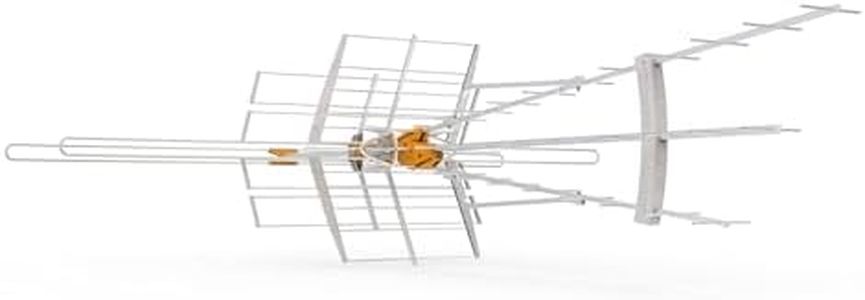
The Televes DAT BOSS Mix LR 148383 is a well-built outdoor directional antenna designed for long-range reception, supporting Low VHF, High VHF, and UHF bands. It stands out with a strong maximum range of up to 100 miles, making it suitable for rural or fringe areas where signals are weak or far away. The antenna’s triple-boom design with multiple directors and reflectors helps focus signal reception effectively, reducing interference and multipath problems.
Most important from
200 reviews
Televes DAT BOSS Mix LR 149884 HDTV Antenna – Long Range High VHF/UHF Reception with Built-in TForce Amplifier, FM & LTE/4G/5G Filtering, Up to 100 mi Range, Power Supply Included - Made in Spain
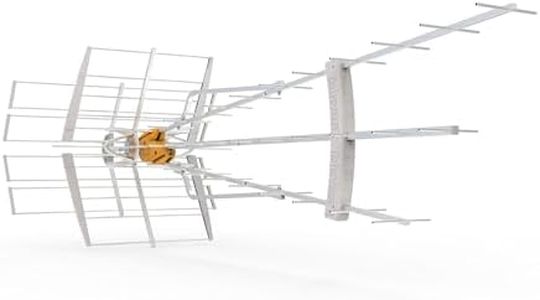
The Televes DAT BOSS Mix LR is a long-range outdoor digital antenna designed to capture TV signals up to 100 miles away, making it a solid choice for rural or fringe areas where broadcast towers are far. It works well across High VHF and UHF frequency bands, the most common for HDTV, helping you access a wide range of channels. This antenna is directional, meaning it focuses on signals from a specific direction, which reduces interference and improves picture quality, especially useful if you know where your broadcast towers are located.
Most important from
464 reviews
Top 10 Best Digital Antennas 2026 in the United States
Sponsored
Winner
Digital Antenna 529-VW-S 8-ft White VHF Antenna with Cable
Digital Antenna 529-VW-S 8-ft White VHF Antenna with Cable
Chosen by 1450 this week
Sponsored
Televes DAT BOSS Mix LR 148383 Full-Band HDTV Antenna – Long-Range Low VHF/High VHF/UHF Reception with TForce BOSS Amplifier, FM & LTE/4G/5G Filtering, Up to 100 mi - Made in Spain
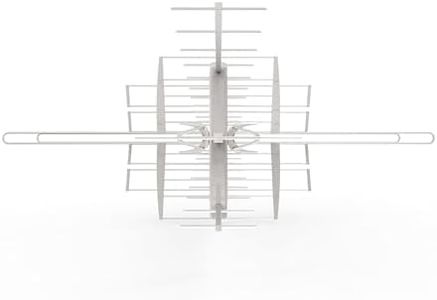
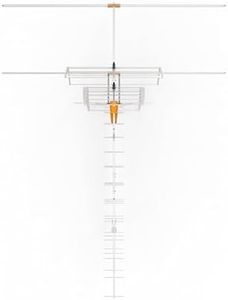
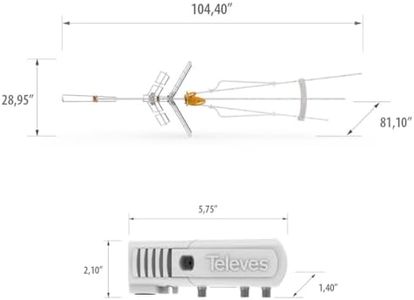
Televes DAT BOSS Mix LR 148383 Full-Band HDTV Antenna – Long-Range Low VHF/High VHF/UHF Reception with TForce BOSS Amplifier, FM & LTE/4G/5G Filtering, Up to 100 mi - Made in Spain
Televes DAT BOSS Mix LR 149884 HDTV Antenna – Long Range High VHF/UHF Reception with Built-in TForce Amplifier, FM & LTE/4G/5G Filtering, Up to 100 mi Range, Power Supply Included - Made in Spain
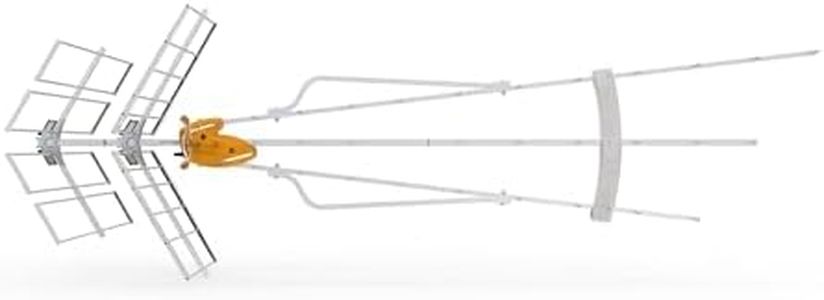
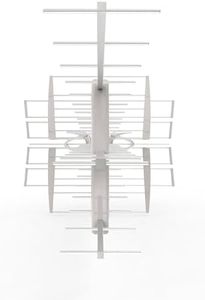
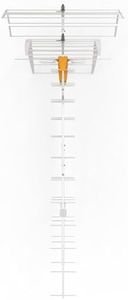
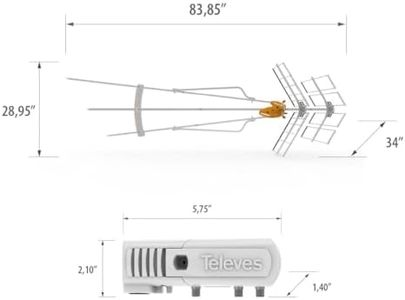
Televes DAT BOSS Mix LR 149884 HDTV Antenna – Long Range High VHF/UHF Reception with Built-in TForce Amplifier, FM & LTE/4G/5G Filtering, Up to 100 mi Range, Power Supply Included - Made in Spain
Antennas Direct ClearStream JUICE4 Distribution Amplifier, Output to 4 Televisions, CATV Systems, 4K 8K Ready – w/Power Supply, Coaxial Cable (Silver)
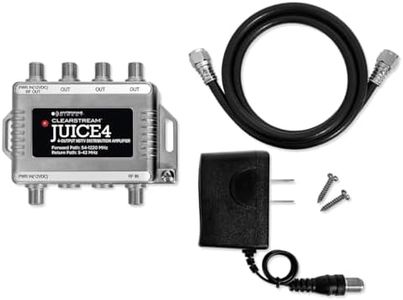
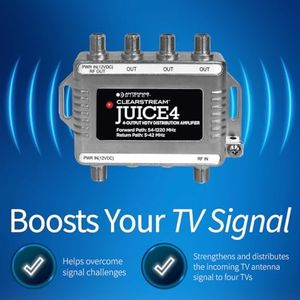
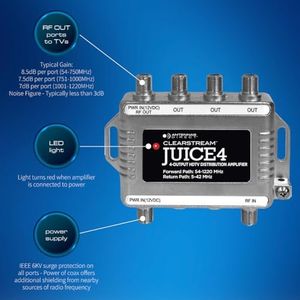
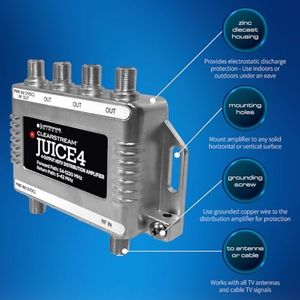
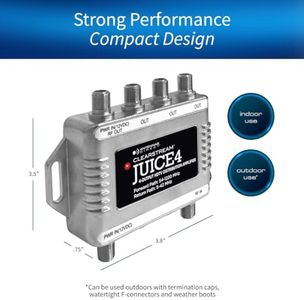
Antennas Direct ClearStream JUICE4 Distribution Amplifier, Output to 4 Televisions, CATV Systems, 4K 8K Ready – w/Power Supply, Coaxial Cable (Silver)
Winegard RVW-395 Sensar IV Amplified Outdoor RV Antenna - Crank-Up Batwing HDTV - VHF/UHF, Digital, 4k Ultra-HD - Rotation Aiming 65 Mile Long Range - 48 Inch Raised Height
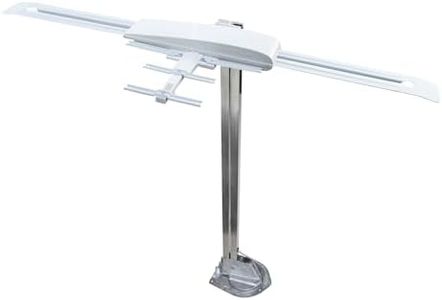
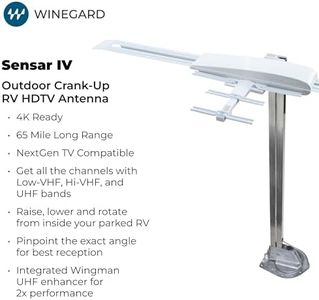
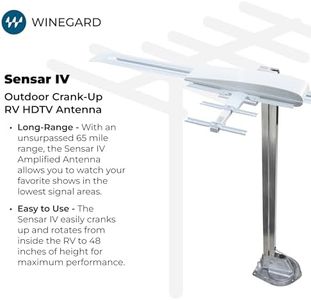

Winegard RVW-395 Sensar IV Amplified Outdoor RV Antenna - Crank-Up Batwing HDTV - VHF/UHF, Digital, 4k Ultra-HD - Rotation Aiming 65 Mile Long Range - 48 Inch Raised Height
Related Products


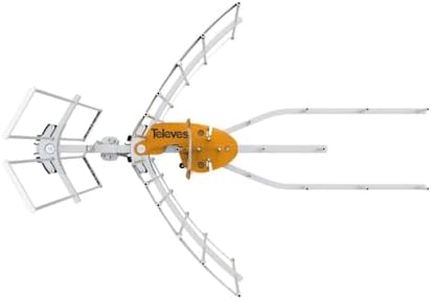
Televes Ellipse Mix 148883 HDTV Antenna – Amplified High VHF/UHF OTA TV Antenna with Built-in TForce Preamp, Automatic Gain Control, FM/LTE/4G/5G Filtering, 75 mi Range - Made in Spain
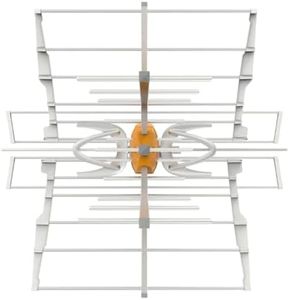
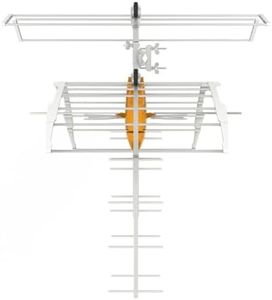
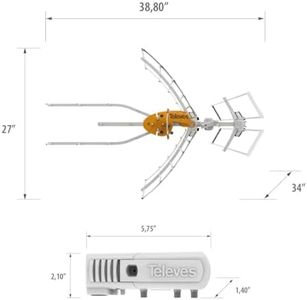
Televes Ellipse Mix 148883 HDTV Antenna – Amplified High VHF/UHF OTA TV Antenna with Built-in TForce Preamp, Automatic Gain Control, FM/LTE/4G/5G Filtering, 75 mi Range - Made in Spain
Televes 108381 8-Bay BOSS Mix HDTV Antenna, Amplified Long-Range High VHF/UHF with Built-in TForce Preamp, Rotating Dual Panel Design, Automatic Gain Control, LTE/5G Filtering, Up to 70 mi Range
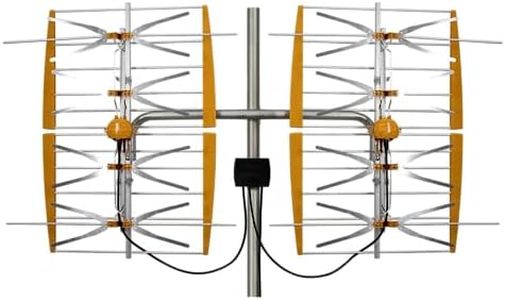
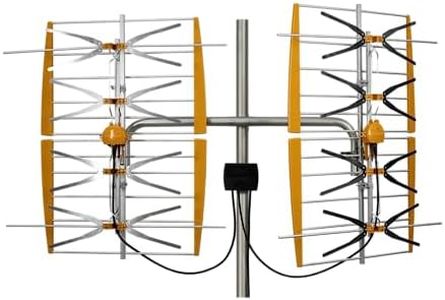
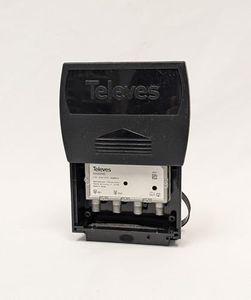
Televes 108381 8-Bay BOSS Mix HDTV Antenna, Amplified Long-Range High VHF/UHF with Built-in TForce Preamp, Rotating Dual Panel Design, Automatic Gain Control, LTE/5G Filtering, Up to 70 mi Range
Channel Master FLATenna with Booster – Indoor TV Antenna for Smart TVs & Local Channels, Adjustable Signal Amplifier with LTE/FM Filters, Supports 1080p, 4K & NextGen TV (ATSC 3.0)
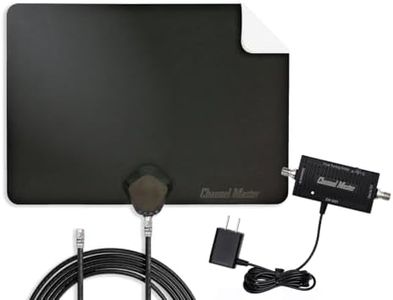
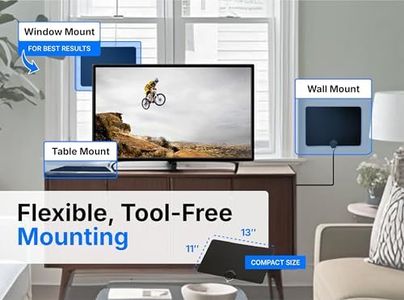
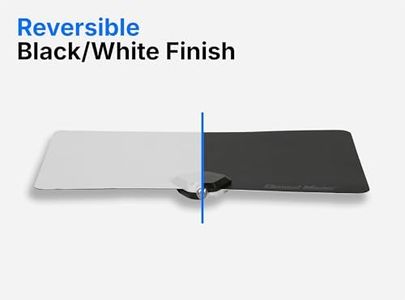
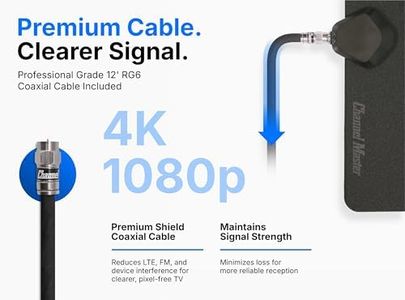

Channel Master FLATenna with Booster – Indoor TV Antenna for Smart TVs & Local Channels, Adjustable Signal Amplifier with LTE/FM Filters, Supports 1080p, 4K & NextGen TV (ATSC 3.0)
Winegard HD7694P Outdoor HDTV Antenna - Long Range 45+ Mile - High-VHF/UHF - 4K Ultra-HD Ready - Free Local Channels - NextGen TV Compatible
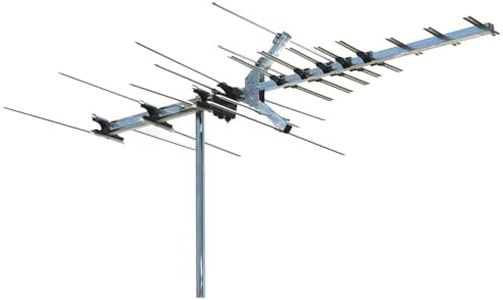
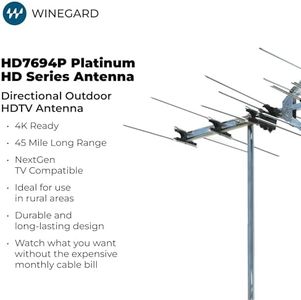
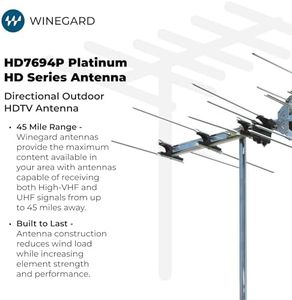

Winegard HD7694P Outdoor HDTV Antenna - Long Range 45+ Mile - High-VHF/UHF - 4K Ultra-HD Ready - Free Local Channels - NextGen TV Compatible
Antennas Direct ClearStream 4MAX Indoor Outdoor TV Antenna, UHF VHF, Multi-Directional, 70+ Mile Range, 4K 8K UHD, NEXTGEN TV – w/ 20-inch Mast (Black)
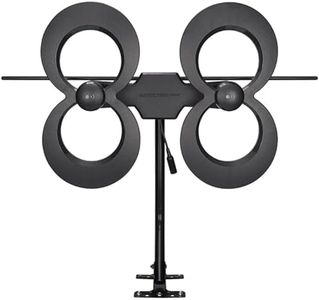




Antennas Direct ClearStream 4MAX Indoor Outdoor TV Antenna, UHF VHF, Multi-Directional, 70+ Mile Range, 4K 8K UHD, NEXTGEN TV – w/ 20-inch Mast (Black)
Our technology thoroughly searches through the online shopping world, reviewing hundreds of sites. We then process and analyze this information, updating in real-time to bring you the latest top-rated products. This way, you always get the best and most current options available.
