We Use CookiesWe use cookies to enhance the security, performance, functionality and for analytical and promotional activities. By continuing to browse this site you are agreeing to our privacy policy

10 Best Audio Amplifiers 2026 in the United States

#1

Winner

10.0 score

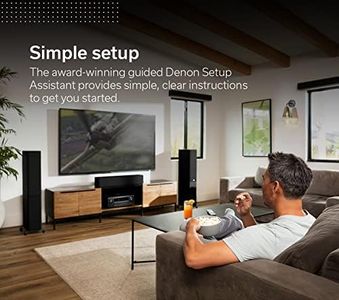
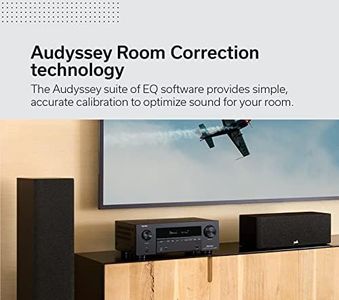
Denon AVR-X3800H 9.4-Ch 8K UHD AVR Home Theater Stereo Receiver, (105W X 9) Built-in Bluetooth Wi-Fi & HEOS Multi-Room Streaming Dolby Atmos DTS:X IMAX Enhanced & Auro 3D
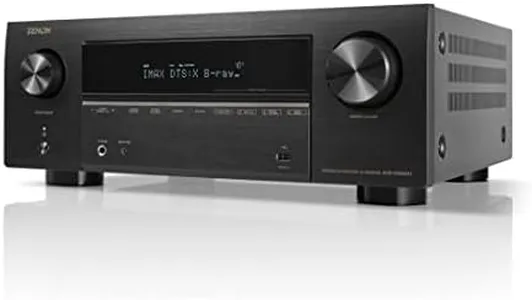
The Denon AVR-X3800H is a powerful 9.4-channel audio amplifier designed for home theater enthusiasts looking to enhance their audio and video experiences. With 105 watts per channel, it provides robust power output that can fill large rooms with immersive sound. Its support for 8K/60Hz pass-through and various advanced video formats like HDR10+, Dolby Vision, and Dynamic HDR ensures top-notch video quality for the latest TVs and content.

Rating
10.0
Chosen by1,227
Inputs and Outputs

Most important from
1081 reviews

Inputs and Outputs
Feature-rich and future-proof with ample 8K HDMI 2.1 connections, optical and coaxial digital inputs, and support for Dolby Vision, Atmos, and DTS:X.
#2
9.1 score

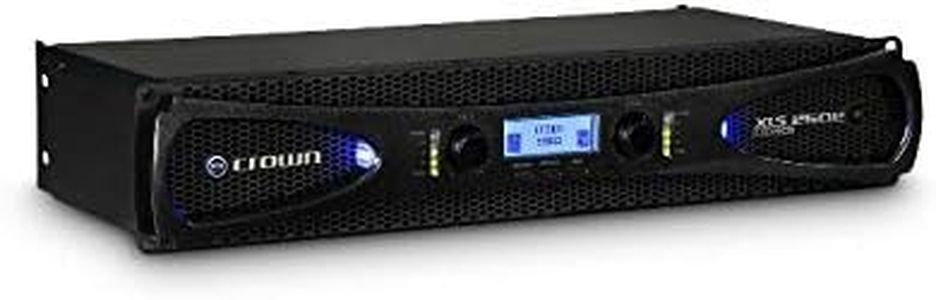
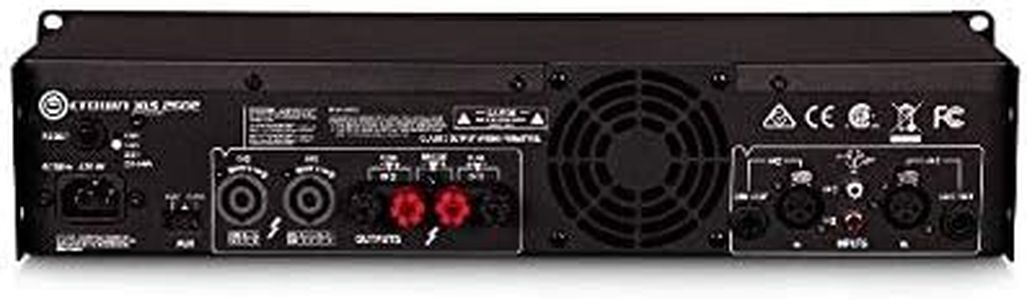
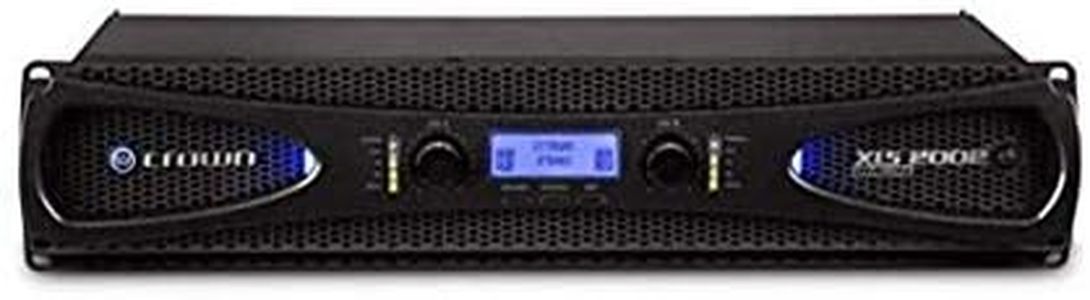
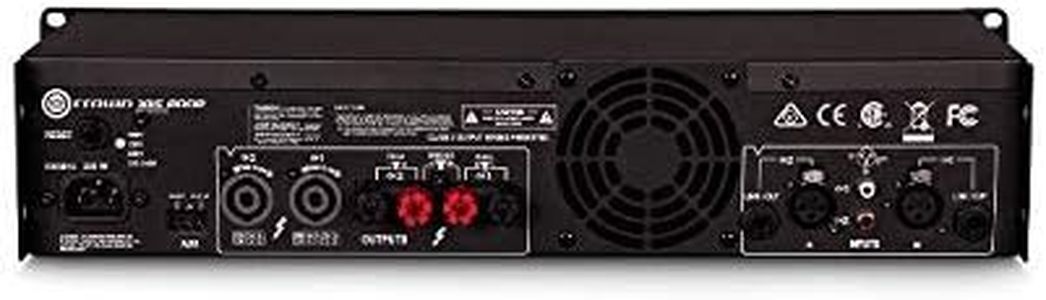
Crown XTi6002 Two-channel, 6000-Watt at 4Ω Bridged, 2100-Watt at 4Ω Dual Pro Power Amplifier. Black and Silver

The Crown XTi6002 is a powerful two-channel audio amplifier designed for professional audio setups, including DJs and live events. It delivers strong power output—up to 3000 watts at 2 ohms and 2100 watts at 4 ohms—enabling it to drive large speakers and fill big venues with clear, loud sound. Its advanced features like Peakx Plus Limiters help maintain low distortion, ensuring audio stays clean even at high volumes. The amplifier supports multiple connection types (XLR, Speakon, and Binding Post), making it compatible with various audio equipment.

Rating
9.1
Power Output (Wattage)
Inputs and Outputs
Size and Design

Most important from
114 reviews

Power Output (Wattage)
This amplifier delivers powerful, stable performance that inspires confidence for long-term use in professional settings.
Inputs and Outputs
The lack of RCA inputs requires additional adapters, which may be an inconvenience for some setups.
Size and Design
The amplifier’s robust aluminum build is both durable and suitable for professional rack mounting, though its considerable weight may challenge frequent transport.
Cooling System
Some units may experience cooling fan issues leading to thermal protection shutdowns, highlighting the importance of reliable cooling in extended use.
#3
9.1 score

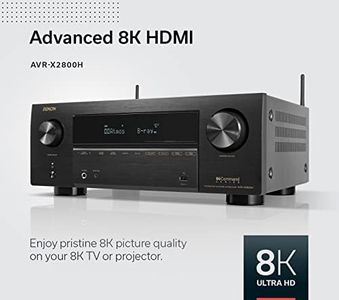
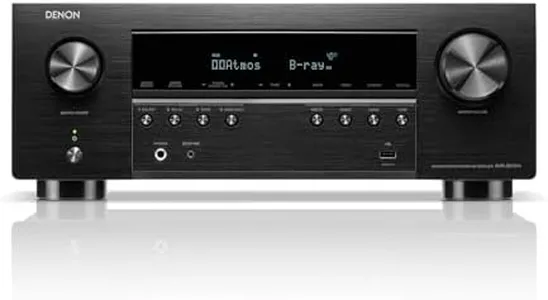
Denon AVR-X2800H 7.2 Ch Stereo Receiver - 8K UHD Home Theater AVR (95W X 7), Wireless Streaming via Built-in HEOS, Wi-Fi, Dolby Atmos, DTS Neural:X & DTS:X Surround Sound, Bluetooth Amplifier
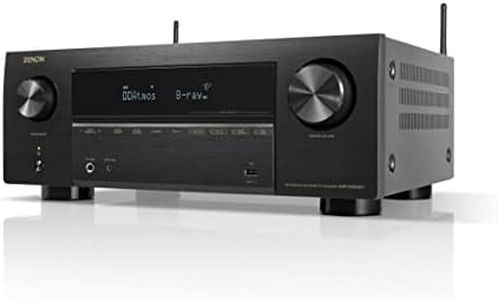
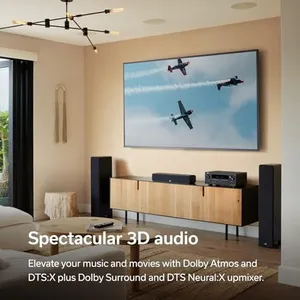
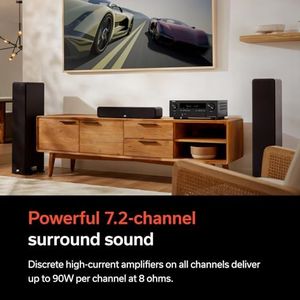
The Denon AVR-X2800H is a strong contender in the home theater audio amplifier category, particularly for those looking to enhance their 8K viewing experience. With a power output of 95 watts across 7 channels, it can deliver robust sound for movies and music alike. The 8K pass-through capabilities ensure compatibility with the latest video technologies, making it an attractive choice for users investing in modern 8K TVs. The inclusion of advanced audio formats like Dolby Atmos and DTS:X allows for immersive 3D sound, creating a cinematic experience right in your living room.

Rating
9.1
Power Output (Watts)
Inputs and Outputs
Build Quality and Design

Most important from
1081 reviews

Power Output (Watts)
The sound was already superior to what I had from the mid-2000s 60-watt-per-channel NAD AVR.
Inputs and Outputs
It does everything right, is compatible with 8K60p(A) 'UNCOMPRESSED' and 4K120p, unlike some competitors.
Build Quality and Design
The Denon AVR-X2800H puts out enough grunt to give nuance and life to music, even with low sensitivity speakers.

Top 10 Best Audio Amplifiers 2026 in the United States

Crown XTi6002 Two-channel, 6000-Watt at 4Ω Bridged, 2100-Watt at 4Ω Dual Pro Power Amplifier. Black and Silver

Power Output (Wattage): 3000W at 2 ohms, 2100W at 4 ohms
Impedance: 2 ohms, 4 ohms
Inputs and Outputs: XLR, Speakon, Binding Post
Size and Design: 16.18x19.02x3.5 in, Aluminum, Black
Cooling System: 3 fan modes, real-time temp monitor

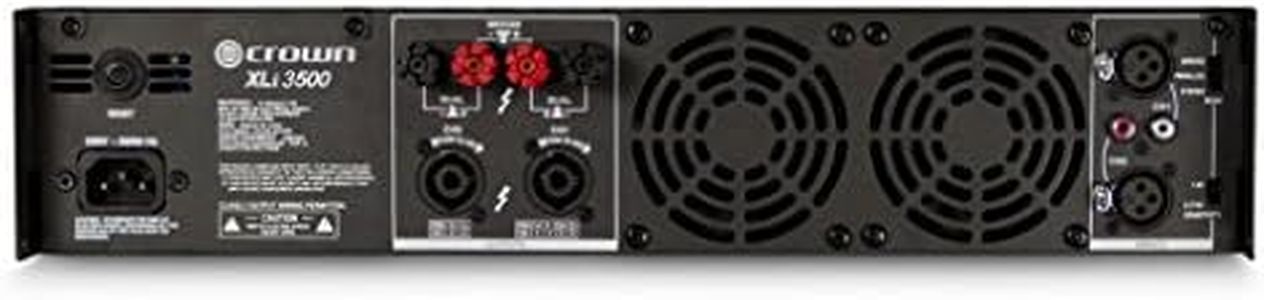
Crown XLi3500 Two-channel, 2700-Watt Bridged 8Ω Power Amplifier. Professional DJ, PA, Stage Amp. Black

Power Output (Wattage): 1350W 4 ohms, 1000W 8 ohms, 2700W bridged
Impedance: 4 ohms, 8 ohms
Inputs and Outputs: balanced RCA, XLR inputs; binding post, Speakon
Size and Design: 14.4x19x3.5 inches; metal build
Cooling System: forced-air cooling

Marantz AV7706 11.2Ch 8K Ultra HD AV Surround Pre-Amplifier with HEOS Built-in and Voice Control

Total Harmonic Distortion (THD): optimized through design
Signal-to-Noise Ratio (SNR): optimized through design
Inputs and Outputs: 11 HDMI, HDMI, RCA ports
Size and Design: 21.65x20.87x10.24 inches, 28.3 lbs

Crown XLi2500 Two-channel, 1500-Watt Bridged 8Ω Power Amplifier. Professional DJ, PA, Stage Amp. Black

Power Output (Wattage): 750W/channel 4Ω; 1500W bridged 8Ω
Impedance: 4 ohms, 8 ohms bridged
Inputs and Outputs: flexible inputs and outputs
Size and Design: 12.4x19x3.5 in; stainless steel
Cooling System: forced air cooling

Yamaha Audio A-S3200SL Integrated Amplifier (Silver)

Power Output (Wattage): 150 Watts
Signal-to-Noise Ratio (SNR): Very good
Inputs and Outputs: 3.5mm jack, RCA
Size and Design: 23.8x23.5x12 in; 65.3 lbs; Silver
How do we rank products for you?

Our technology thoroughly searches through the online shopping world, reviewing hundreds of sites. We then process and analyze this information, updating in real-time to bring you the latest top-rated products. This way, you always get the best and most current options available.

headphones-stars

Buying Guide for the Best Audio Amplifiers

Choosing the right audio amplifier can significantly enhance your listening experience, whether you're setting up a home theater, a stereo system, or a professional audio setup. The key to finding the best amplifier for your needs is understanding the various specifications and how they impact performance. By considering your specific requirements and preferences, you can make an informed decision that will provide you with the best sound quality and functionality.
Power Output (Wattage)Power output, measured in watts, indicates how much power the amplifier can deliver to your speakers. This spec is crucial because it affects the volume and clarity of the sound. Generally, higher wattage means louder and clearer sound, but it's important to match the amplifier's power output with your speakers' power handling capacity. For small rooms or casual listening, 20-50 watts per channel may suffice. For larger rooms or more demanding listening environments, 100 watts or more per channel might be necessary. Consider your room size and listening habits when choosing the right power output.
ImpedanceImpedance, measured in ohms, refers to the resistance the amplifier will face from the speakers. This spec is important because it affects the compatibility between the amplifier and the speakers. Most amplifiers and speakers are designed to work with an impedance of 4, 6, or 8 ohms. Ensure that the amplifier's impedance rating matches or is compatible with your speakers to avoid damaging either component and to ensure optimal performance. If you have multiple speakers or plan to expand your system, consider an amplifier that can handle a range of impedances.
Total Harmonic Distortion (THD)Total Harmonic Distortion (THD) measures the amount of distortion the amplifier introduces to the audio signal, expressed as a percentage. Lower THD values indicate cleaner and more accurate sound reproduction. For high-fidelity audio, look for an amplifier with a THD of 0.1% or lower. If you're less concerned with audiophile-level precision, a THD of up to 1% may be acceptable. Your choice should depend on how critical you are about sound quality and the type of audio content you typically enjoy.
Signal-to-Noise Ratio (SNR)The Signal-to-Noise Ratio (SNR) measures the level of the desired audio signal compared to the level of background noise, expressed in decibels (dB). A higher SNR indicates a cleaner sound with less background noise. For high-quality audio, look for an amplifier with an SNR of 90 dB or higher. If you're using the amplifier in a less critical listening environment, such as a casual home setup, an SNR of 80 dB or higher may be sufficient. Consider how much background noise you're willing to tolerate in your listening experience.
Inputs and OutputsThe number and types of inputs and outputs determine the amplifier's connectivity options. This spec is important because it affects how many and what types of audio sources you can connect to the amplifier. Common inputs include RCA, XLR, and digital inputs like optical or coaxial. Outputs may include speaker terminals, preamp outputs, and headphone jacks. Ensure the amplifier has enough inputs and outputs to accommodate your current and future audio equipment. Think about the devices you plan to connect, such as CD players, turntables, or streaming devices, and choose an amplifier that offers the necessary connections.
Size and DesignThe size and design of the amplifier can impact where and how you place it in your setup. This spec is important for ensuring the amplifier fits in your available space and matches your aesthetic preferences. Amplifiers come in various sizes, from compact models that fit on a shelf to larger units that may require dedicated space. Consider the dimensions of the amplifier and where you plan to place it. Additionally, think about the design and whether it complements your other audio equipment and room decor. Choose an amplifier that fits both your space and style requirements.
Cooling SystemThe cooling system in an amplifier helps manage heat generated during operation. This spec is important because excessive heat can affect performance and longevity. Amplifiers may use passive cooling (heat sinks) or active cooling (fans). Passive cooling is quieter but may require more space for adequate ventilation. Active cooling is more effective at managing heat but can introduce fan noise. Consider your environment and how much noise you're willing to tolerate. If you plan to use the amplifier in a quiet setting, passive cooling might be preferable. For high-power setups or professional use, active cooling may be necessary.

FAQ