10 Best Toughbook Computers 2026 in the United States
Winner
Toughbook Panasonic 40, FZ-40 MK1, Intel® i7-1185G7, 14” Touch, 16GB, 512GB Opal SSD, 4G LTE
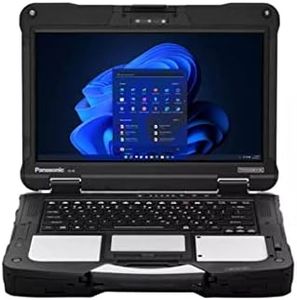
The Panasonic Toughbook 40 MK1 is designed for users who need a durable and reliable laptop in demanding environments. Its rugged build is implied by the Toughbook name, making it suitable for professionals working outdoors or in tough conditions. The 14-inch Full HD touch screen is bright (1200 nits) with anti-reflective coating, which helps visibility in sunlight, and supports stylus input—a plus for field work. The Intel Core i7-1185G7 processor is powerful enough to handle multitasking and demanding applications smoothly, paired with 16GB of RAM for solid performance. Storage comes as a 512GB SSD, offering fast data access and ample space for files. Battery life is impressive at up to 18 hours, so users can stay productive throughout a long workday without frequent recharging. Connectivity includes modern options like Wi-Fi 6, Bluetooth 5.1, 4G LTE for mobile internet, dual SIM slots, USB-C Thunderbolt 4, HDMI, and more, covering most needs for data transfer and external devices. It runs Windows 11 Pro with an option to downgrade to Windows 10 Pro, providing flexibility for different software preferences.
Panasonic Toughbook CF-54 CF-54G2999VM i5 2.6Ghz, Bluetooth, TPM 2.0, 500GB Hard Drive, 8GB Ram, Windows 10 Pro, 3 Year Warranty
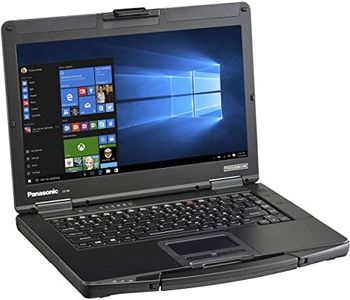
The Panasonic Toughbook CF-54 is designed for users who need a durable and rugged laptop that can handle tough environments. It has a solid build typical of Toughbooks, making it well-suited for fieldwork or industrial use. Powered by an Intel Core i5 processor at 2.6 GHz and paired with 8 GB of DDR4 RAM, it offers decent everyday performance for tasks like data entry, office work, or light software applications. The 500 GB hard drive provides ample storage. The 14-inch screen offers a modest resolution (1280 x 720 pixels), which is adequate but on the lower side compared to modern laptops, so the display won’t be very sharp or vibrant.
Toughbook Panasonic FZ-55, Intel Core i7-8665U @1.9GHZ, 14.0" HD LCD, Windows 10 Pro, Backlit Emissive Keyboard, 8GB, 512GB M.2 SSD, Infrared Hello Webcam
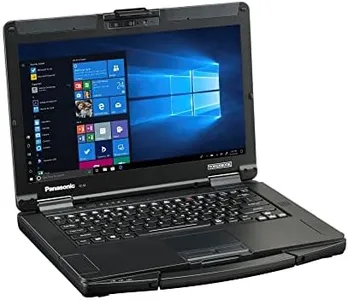
The Panasonic Toughbook FZ-55 is designed for users who need a highly durable laptop that can handle harsh environments. Its rugged build meets strict military standards, making it resistant to drops, dust, water splashes, and extreme temperatures—ideal for fieldwork or industrial settings. Powered by an Intel Core i7 processor, it offers solid performance for demanding tasks, while 8GB of RAM and a fast 512GB SSD provide decent multitasking and quick data access.
Most important from
2 reviews
Top 10 Best Toughbook Computers 2026 in the United States
Winner
Toughbook Panasonic 40, FZ-40 MK1, Intel® i7-1185G7, 14” Touch, 16GB, 512GB Opal SSD, 4G LTE
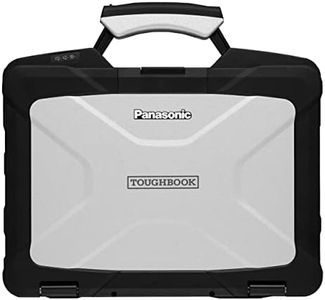
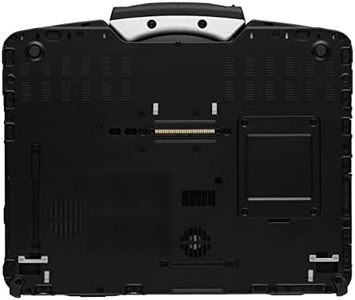
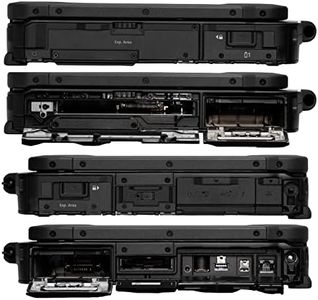
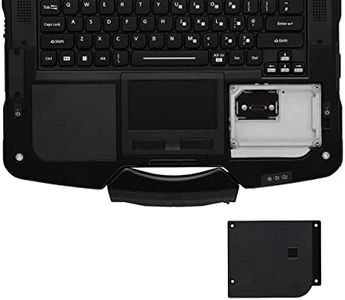
Toughbook Panasonic 40, FZ-40 MK1, Intel® i7-1185G7, 14” Touch, 16GB, 512GB Opal SSD, 4G LTE
Chosen by 1365 this week
Panasonic Toughbook CF-54 CF-54G2999VM i5 2.6Ghz, Bluetooth, TPM 2.0, 500GB Hard Drive, 8GB Ram, Windows 10 Pro, 3 Year Warranty
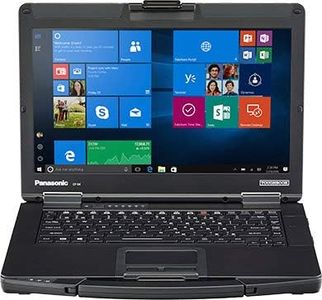

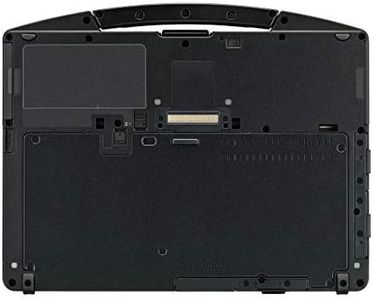

Panasonic Toughbook CF-54 CF-54G2999VM i5 2.6Ghz, Bluetooth, TPM 2.0, 500GB Hard Drive, 8GB Ram, Windows 10 Pro, 3 Year Warranty
Toughbook Panasonic FZ-55, Intel Core i7-8665U @1.9GHZ, 14.0" HD LCD, Windows 10 Pro, Backlit Emissive Keyboard, 8GB, 512GB M.2 SSD, Infrared Hello Webcam
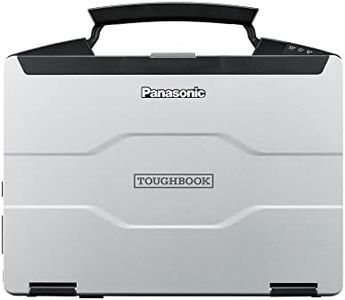
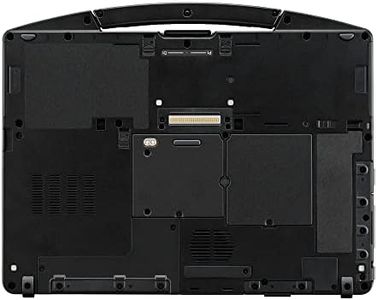


Toughbook Panasonic FZ-55, Intel Core i7-8665U @1.9GHZ, 14.0" HD LCD, Windows 10 Pro, Backlit Emissive Keyboard, 8GB, 512GB M.2 SSD, Infrared Hello Webcam
Panasonic Toughbook CF-54 Laptop PC Bundle with Laptop Bag, Intel Core i5-7300U 2.6GHz, 8GB RAM, 500GB SSD, Windows 10 Pro
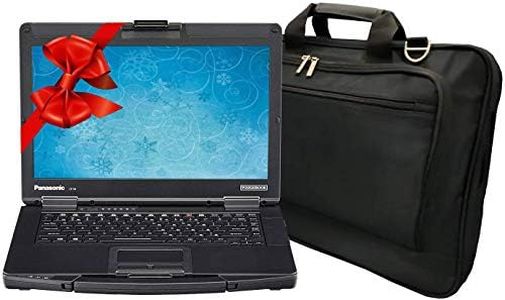
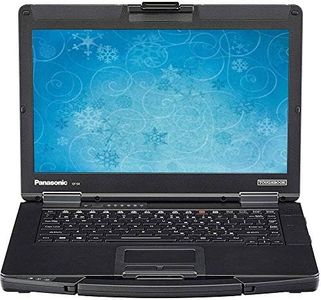
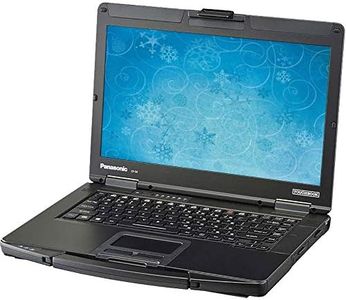


Panasonic Toughbook CF-54 Laptop PC Bundle with Laptop Bag, Intel Core i5-7300U 2.6GHz, 8GB RAM, 500GB SSD, Windows 10 Pro
Panasonic Toughbook CF 33 with Core i5 2.6 Ghz Infrared Webcam 256 GB SSD 8 GB, Windows 10 Pro, Rugged Laptop, 12 inch Touch Screen - 3 Year Warranty
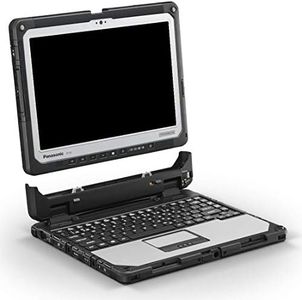
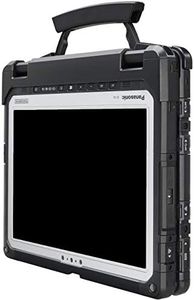
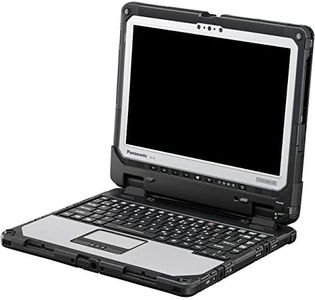
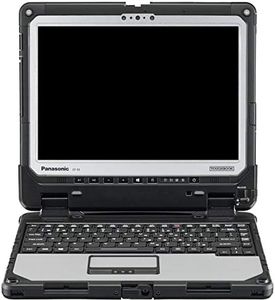
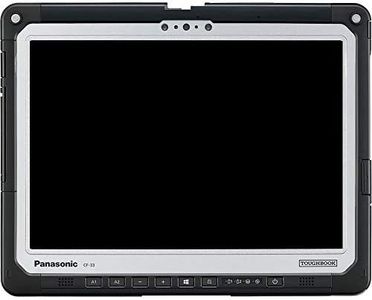
Panasonic Toughbook CF 33 with Core i5 2.6 Ghz Infrared Webcam 256 GB SSD 8 GB, Windows 10 Pro, Rugged Laptop, 12 inch Touch Screen - 3 Year Warranty
Related Products
Panasonic Toughbook FZ-55 14” FHD (1920 x 1080) Touchscreen Rugged Laptop – 11th Gen Intel Core i5-1145G7 up to 4.4 GHz, 64GB DDR4 RAM, 2TB NVMe SSD, Intel UHD Graphics, HD Audio, Windows 11 Pro
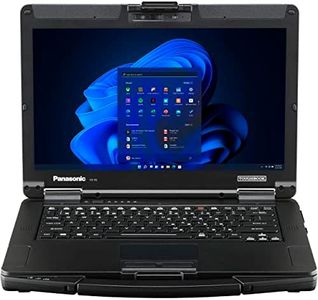
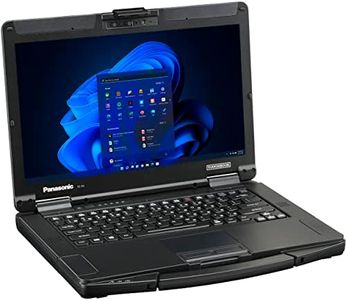
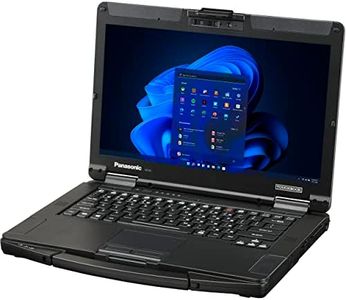
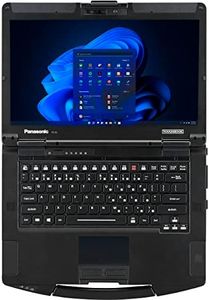
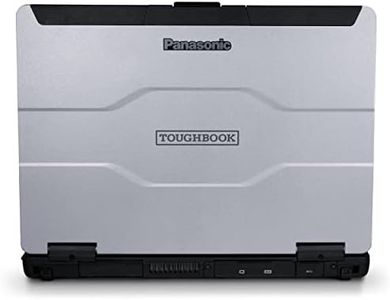
Panasonic Toughbook FZ-55 14” FHD (1920 x 1080) Touchscreen Rugged Laptop – 11th Gen Intel Core i5-1145G7 up to 4.4 GHz, 64GB DDR4 RAM, 2TB NVMe SSD, Intel UHD Graphics, HD Audio, Windows 11 Pro
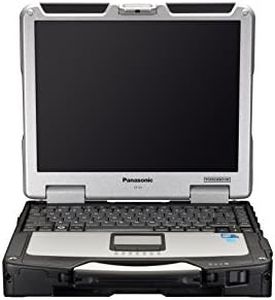
Toughbook Panasonic 55, FZ-55 MK2, 14.0" FHD Touch, Intel Core i5-1145G7 (up to 4.4GHz) vPro, 16GB, 512GB Opal NVMe SSD, Wi-Fi 6, BT, Infrared Webcam, TPM 2.0, Backlit Keyboard, Win 10 Pro
Toughbook Panasonic 55, FZ-55 MK2, 14.0" FHD Touch, Intel Core i5-1145G7 (up to 4.4GHz) vPro, 16GB, 512GB Opal NVMe SSD, Wi-Fi 6, BT, Infrared Webcam, TPM 2.0, Backlit Keyboard, Win 10 Pro
Toughbook Panasonic FZ-55 MK2, 14.0" FHD Touchscreen, Intel Core i7-1185G7 (up to 4.8GHz) vPro, 16GB, 512GB Opal NVMe SSD, 4G LTE, Dedicated GPS, IR Webcam, TPM 2.0, Backlit Keyboard, Windows 10 Pro
Toughbook Panasonic FZ-55 MK2, 14.0" FHD Touchscreen, Intel Core i7-1185G7 (up to 4.8GHz) vPro, 16GB, 512GB Opal NVMe SSD, 4G LTE, Dedicated GPS, IR Webcam, TPM 2.0, Backlit Keyboard, Windows 10 Pro
Our technology thoroughly searches through the online shopping world, reviewing hundreds of sites. We then process and analyze this information, updating in real-time to bring you the latest top-rated products. This way, you always get the best and most current options available.
