We Use CookiesWe use cookies to enhance the security, performance, functionality and for analytical and promotional activities. By continuing to browse this site you are agreeing to our privacy policy

6 Best Pioneer Receivers 2026 in the United States

#1

Winner

10.0 score

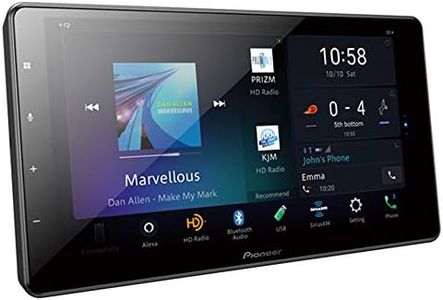
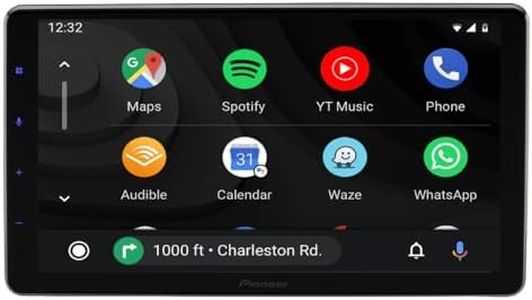
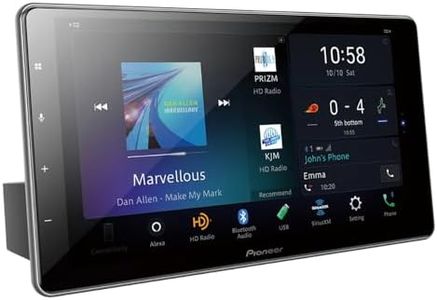
DMH-WC6600NEX - Modular Multimedia Receiver with 9" HD Capacitive Touch Display
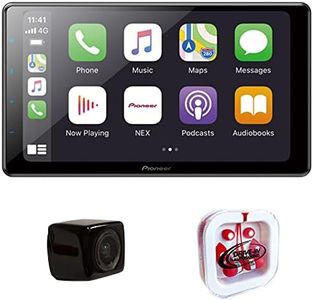
The DMH-WC6600NEX is a versatile multimedia receiver featuring a large 9-inch HD capacitive touchscreen, making it easy to navigate your music and apps while driving. Its modular design means it can fit a variety of dashboard setups. One of its strongest points is its seamless wireless and wired connectivity with both Apple CarPlay and Android Auto, so you can easily link your smartphone for navigation, calls, and music.

#2
8.8 score

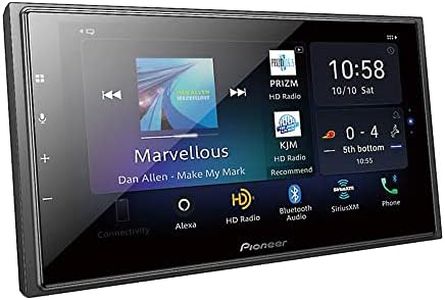
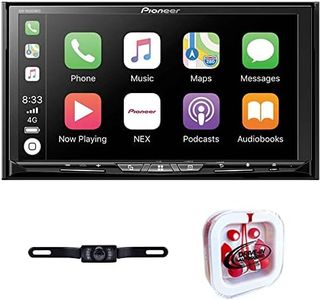
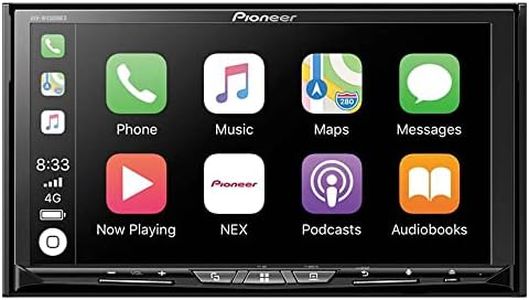
DMH-W4660NEX - In-Dash Multimedia Receiver with 6.8" WVGA Capacitive Touchscreen Display
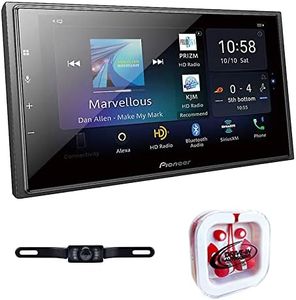
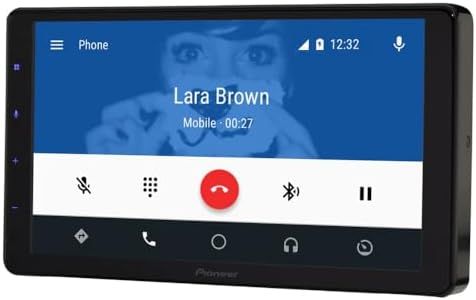
The Pioneer DMH-W4660NEX is an in-dash multimedia receiver featuring a vibrant 6.8-inch capacitive touchscreen that offers clear visuals and easy control. It supports both wired and wireless CarPlay and Android Auto, enabling convenient smartphone integration for navigation, calls, or music. It also works with Alexa for voice commands, adding hands-free control to your drive.

Rating
8.8
Channels
Connectivity
User Interface

Most important from
13 reviews

Channels
The receiver offers great sound quality and responsiveness, making it a reliable aftermarket upgrade.
Connectivity
Wireless CarPlay and Android Auto connections work seamlessly, with Android Auto auto-connecting after initial setup.
User Interface
The 6.8-inch screen is clear but can feel small in larger vehicles, sometimes making it feel like operating a smartphone from a distance.
#3
8.5 score

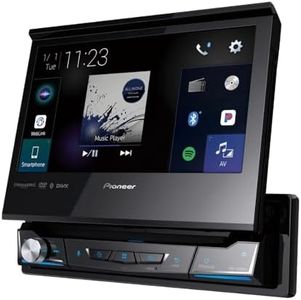
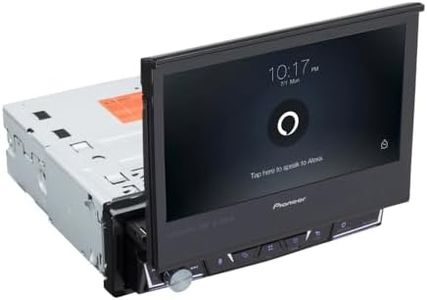
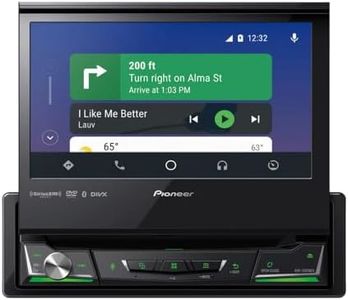
Pioneer AVH-3500NEX 7" 1-DIN Multimedia DVD Receiver with Satellite Radio Tuner
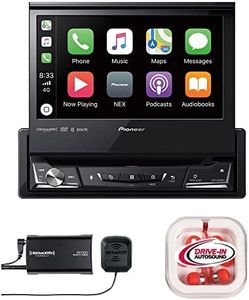
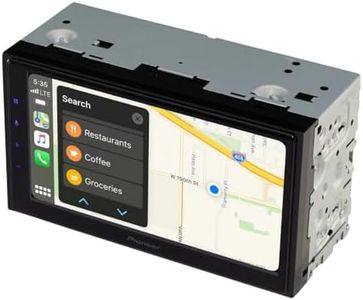
The Pioneer AVH-3500NEX is a multimedia receiver featuring a 7-inch motorized touchscreen and versatile connectivity options including CarPlay, Android Auto, Alexa, and Bluetooth, making it an excellent choice for seamless smartphone integration. It supports a wide range of audio formats, including high-resolution files like FLAC and WAV, catering to users who prioritize sound quality.

Rating
8.5
Connectivity
Audio Formats
User Interface

Most important from
5 reviews

Connectivity
Seamless smartphone integration through CarPlay, Android Auto, and Bluetooth makes connectivity effortless.
Audio Formats
The unit delivers good sound quality and plays CDs flawlessly, offering a satisfying audio experience.
User Interface
The flip-out motorized touchscreen design is exactly what was needed, combining style and functionality.

Top 6 Best Pioneer Receivers 2026 in the United States
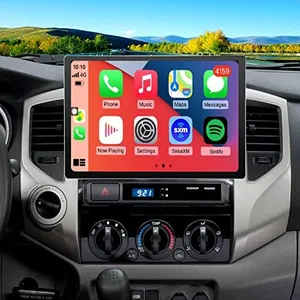
#1

Winner

10.0  score

DMH-WC6600NEX - Modular Multimedia Receiver with 9" HD Capacitive Touch Display
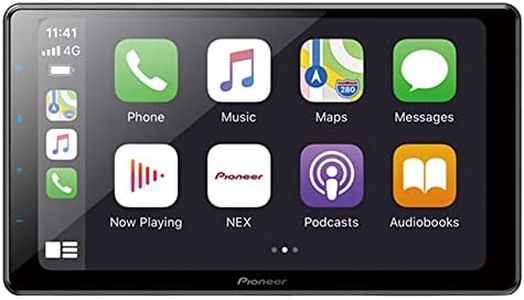
Connectivity: Bluetooth, RCA, USB, CarPlay, Android
Audio Formats: MP3, FLAC, DSD
Room Calibration: Manual equalizer
User Interface: 9-inch HD touchscreen, Alexa voice

Chosen by 1284 this week

DMH-W4660NEX - In-Dash Multimedia Receiver with 6.8" WVGA Capacitive Touchscreen Display
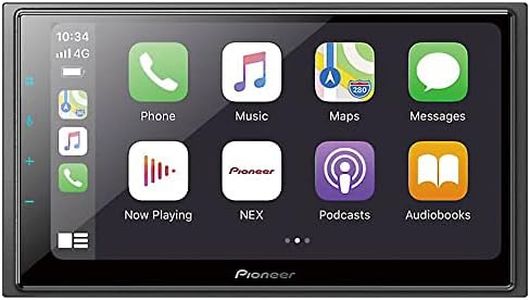
Channels: 5.1 surround, stereo output
Connectivity: Bluetooth, wired & wireless CarPlay, Android Auto
User Interface: Touchscreen, Alexa, Android controllers

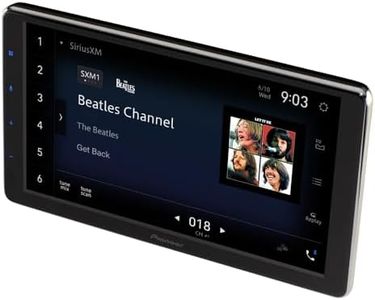
DMH-WT7600NEX - Multimedia Receiver with 9" HD Capacitive Touch Floating Display
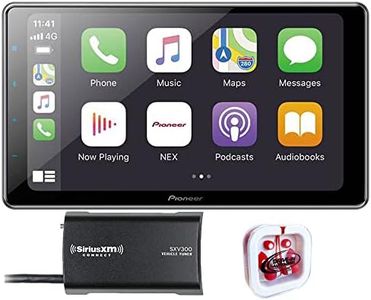
Channels: 50 watts per channel
Power Output: 200 watts
Connectivity: wired, wireless CarPlay, Android Auto, Bluetooth
Room Calibration: none
User Interface: capacitive touchscreen
How do we rank products for you?

Our technology thoroughly searches through the online shopping world, reviewing hundreds of sites. We then process and analyze this information, updating in real-time to bring you the latest top-rated products. This way, you always get the best and most current options available.

headphones-stars

Buying Guide for the Best Pioneer Receivers

When choosing a Pioneer receiver, it's important to consider your specific needs and preferences to ensure you get the best fit for your home audio setup. Receivers are the heart of your home theater system, connecting all your audio and video components and delivering high-quality sound. Here are some key specifications to consider when selecting a Pioneer receiver, along with explanations to help you understand their importance and how to choose the right one for you.
ChannelsThe number of channels in a receiver refers to how many speakers it can support. This is important because it determines the surround sound experience you can achieve. Common configurations include 5.1, 7.1, and 9.2 channels. A 5.1 system includes five speakers and one subwoofer, suitable for smaller rooms or basic setups. A 7.1 system adds two additional speakers for a more immersive experience, ideal for medium-sized rooms. A 9.2 system includes nine speakers and two subwoofers, providing the most immersive sound for larger rooms or dedicated home theaters. Choose the number of channels based on the size of your room and your desired audio experience.
Power OutputPower output, measured in watts per channel, indicates how much power the receiver can deliver to each speaker. This is important for ensuring your speakers can produce clear, distortion-free sound at high volumes. Lower power output (around 50-80 watts per channel) is suitable for smaller rooms or less demanding listening environments. Medium power output (80-120 watts per channel) is good for average-sized rooms and most home theater setups. Higher power output (120+ watts per channel) is ideal for large rooms or if you want to achieve very high volume levels without distortion. Consider the size of your room and your listening habits when choosing the power output.
ConnectivityConnectivity options determine how many and what types of devices you can connect to your receiver. This includes HDMI inputs and outputs, optical and coaxial digital inputs, analog inputs, and wireless options like Bluetooth and Wi-Fi. HDMI inputs are crucial for connecting modern devices like Blu-ray players, gaming consoles, and streaming devices. Optical and coaxial inputs are useful for older devices. Wireless connectivity allows for streaming music from your phone or other devices. Ensure the receiver has enough inputs for all your devices and consider future-proofing by choosing a model with more inputs than you currently need.
Audio FormatsSupport for various audio formats ensures that your receiver can decode and play different types of audio content. Important formats include Dolby Atmos, DTS:X, and high-resolution audio. Dolby Atmos and DTS:X provide immersive, 3D sound experiences, making them ideal for home theaters. High-resolution audio support is important for audiophiles who want the best possible sound quality from their music. Consider what types of content you will be listening to and choose a receiver that supports the relevant audio formats.
Room CalibrationRoom calibration technology, such as Pioneer’s MCACC (Multi-Channel Acoustic Calibration System), automatically adjusts the receiver’s settings to optimize sound quality based on your room’s acoustics. This is important for achieving the best possible audio experience without manually tweaking settings. Basic room calibration systems are suitable for most users and provide noticeable improvements in sound quality. Advanced systems offer more precise adjustments and are ideal for audiophiles or those with challenging room acoustics. Consider how much effort you want to put into setting up your system and choose a receiver with an appropriate level of room calibration technology.
User InterfaceThe user interface includes the on-screen display, remote control, and any associated apps for controlling the receiver. A good user interface is important for ease of use and quick access to settings and features. Simple interfaces with clear menus are suitable for users who want a straightforward setup. More advanced interfaces with detailed options are ideal for those who like to fine-tune their system. Consider how comfortable you are with technology and choose a receiver with a user interface that matches your preferences.

FAQ