We Use CookiesWe use cookies to enhance the security, performance, functionality and for analytical and promotional activities. By continuing to browse this site you are agreeing to our privacy policy

10 Best Headphones Amplifiers 2026 in the United States

#1

Winner

10.0 score

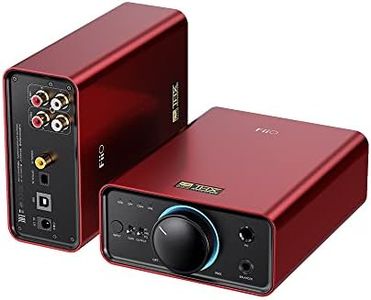
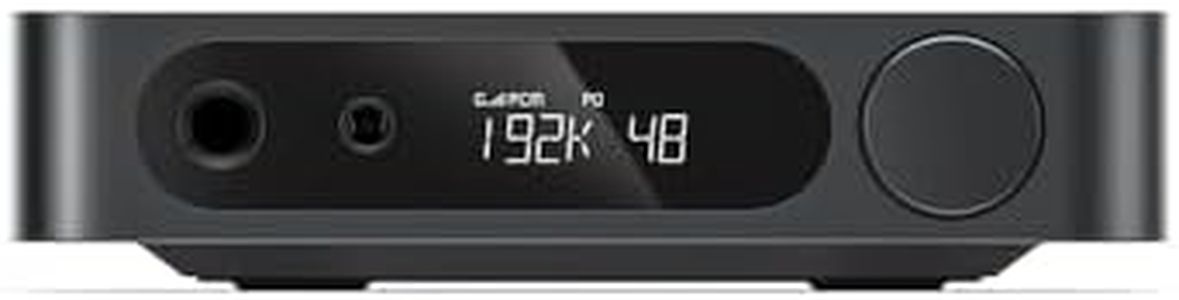
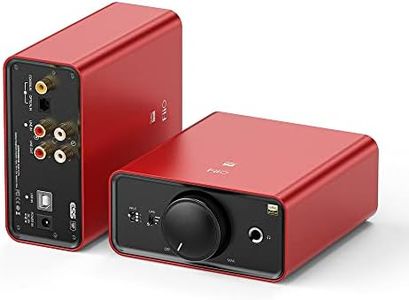
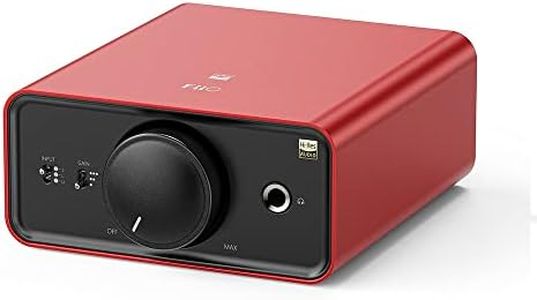
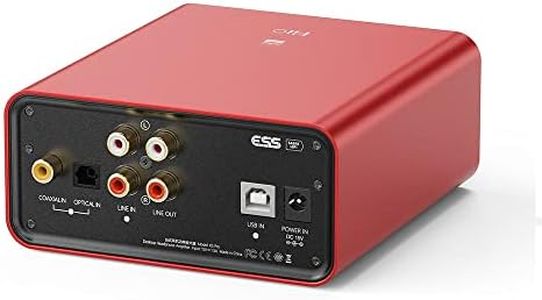
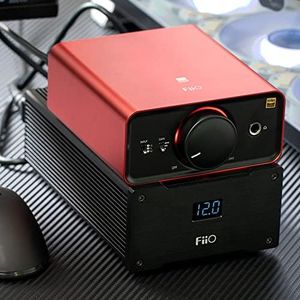
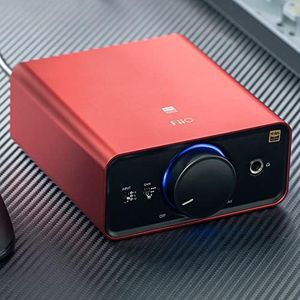
FiiO K7 Full Balanced HiFi DAC Headphone Amplifier AK4493S*2, XMOS XU208 PCM384kHz DSD256,USB/Optical/Coaxial/RCA Inputs, 6.35mm/4.4mm Output

The FiiO K7 is a well-rounded headphone amplifier and DAC designed for desktop use, offering solid performance for its price range around $300. It features dual AK4493S DAC chips and THX AAA 788+ amplifiers, which provide clean, balanced sound with low distortion (1% THD+N) and strong output power (up to 2000mW). This means it can easily drive most headphones, including larger full-size models, without struggling. Its multiple connectivity options—USB, optical, coaxial, RCA, and AUX inputs—make it versatile for different audio sources, and it supports high-resolution audio formats up to PCM384kHz and DSD256, which is great if you listen to high-quality music files.

Rating
10.0
Chosen by1,104
Power Output
Total Harmonic Distortion (THD)
Connectivity Options

Most important from
706 reviews

Power Output
Its powerful output easily drives demanding planar magnetic headphones, providing ample headroom and dynamic range.
Total Harmonic Distortion (THD)
The K7 delivers a noticeably refined sound with clean, balanced amplification and no detectable distortion, even at high volumes.
Connectivity Options
Balanced connections open up a clearer, more spacious soundstage, revealing subtle nuances that elevate the listening experience.
Portability
Its compact desktop design and multiple input options make it an ideal starter amp/DAC combo for office or home use.
#2
9.7 score

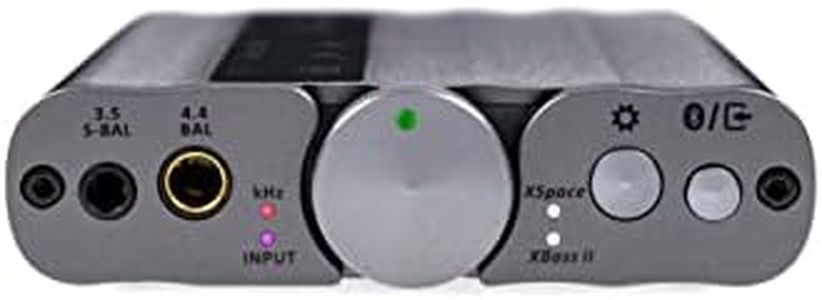
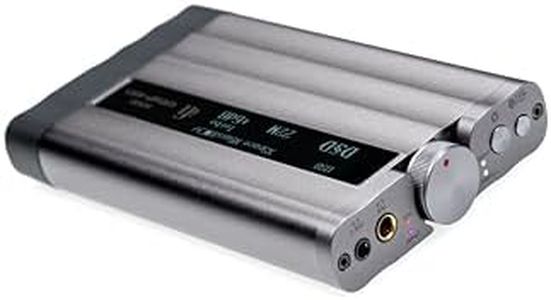
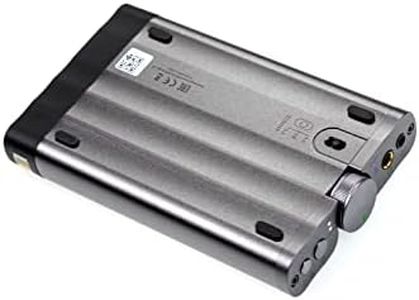
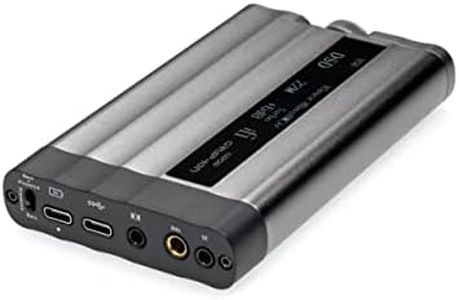
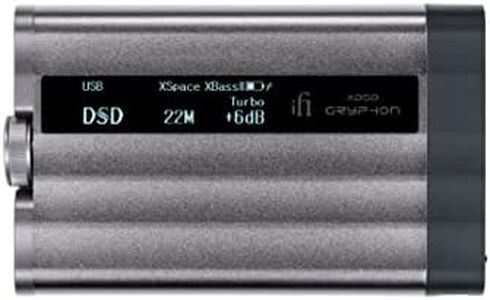
iFi xDSD Gryphon - Ultra-Res Portable Balanced DAC & Headphone Amplifier - INPUTS: Bluetooth 5.1 / USB-C/S-PDIF / 3.5mm SE / 4.4mm Bal

The iFi xDSD Gryphon is a portable and versatile headphone amplifier with several strong features. It boasts an impressive power output of 1000mW, which should be sufficient to drive most headphones effectively. The device supports full MQA decoding and native DSD up to DSD512, offering high-resolution audio playback that appeals to audiophiles. Its advanced 96kHz Bluetooth 5.1 connectivity, which includes support for aptX HD, aptX Adaptive, LDAC, and HWA/LHDC, ensures a high-quality wireless audio experience. The inclusion of multiple input options, such as Bluetooth, USB-C, S-PDIF, 3.5mm SE, and 4.4mm balanced, provides extensive compatibility with various devices.

Rating
9.7
Power Output
Signal-to-Noise Ratio (SNR)
Connectivity Options

Most important from
304 reviews

Power Output
It’s versatile enough to drive a wide range of headphones, from IEMs to high-impedance models like the Hifiman Arya SE, with plenty of headroom.
Signal-to-Noise Ratio (SNR)
The noise reduction switch is a great feature for sensitive IEMs, eliminating unwanted noise and enhancing the listening experience.
Connectivity Options
The Gryphon has exceptional sound quality, especially in Bluetooth mode with LDAC, and it gets even better when plugged in using USB.
#3
9.4 score

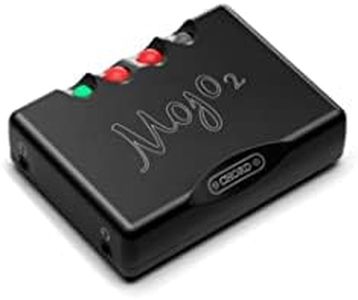
CHORD ELECTRONICS Mojo 2

The CHORD ELECTRONICS Mojo 2 is a highly regarded headphone amplifier, particularly noted for its excellent audio quality. This device offers a range of connectivity options, including Micro USB, 3.5mm jack coaxial, and Optical TOSLINK inputs, making it versatile for use with various devices such as personal computers, laptops, smartphones, and tablets. It also features two 3.5mm headphone jacks, allowing two users to listen simultaneously, which is a nice touch for shared listening experiences.

Rating
9.4
Portability
Connectivity Options

Most important from
238 reviews

Portability
The upgraded battery life is impressive, lasting up to 8 hours on a single charge, and the addition of USB-C charging makes it more convenient.
Connectivity Options
Versatile connectivity with inputs for USB, Coaxial, Optical, and an enhanced USB-C option works seamlessly with various audio sources.

Top 10 Best Headphones Amplifiers 2026 in the United States

CHORD ELECTRONICS Mojo 2

Portability: 10.8 oz, 3.26 x 2.44 x 0.9 in
Connectivity Options: Micro USB, 3.5mm jack, Optical TOSLINK

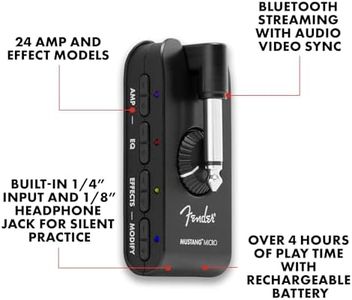
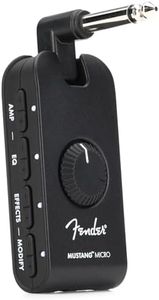
Fender Mustang Micro Headphone Amplifier, with 2-Year Warranty
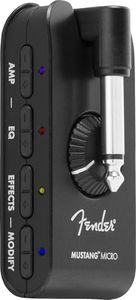
Power Output: 5 Watts
Portability: Battery powered, small size
Connectivity Options: 6.35mm jack, Bluetooth streaming

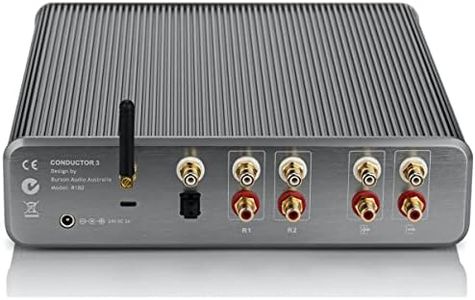
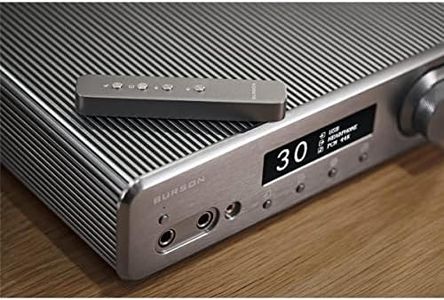
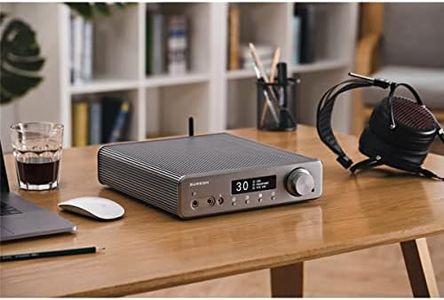
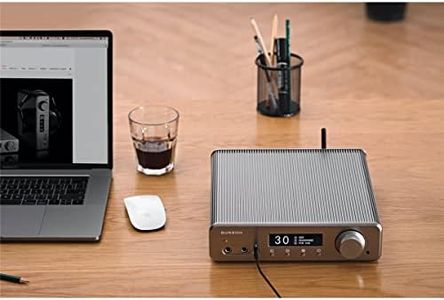
Burson Audio Conductor 3 Headphone Amplifier System with USB DAC, 7.5W
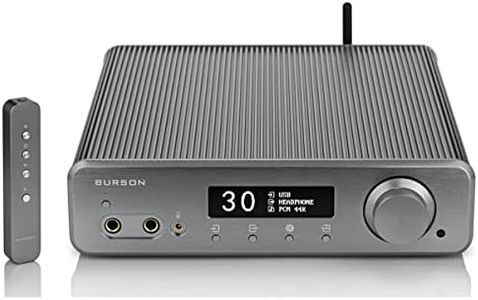
Power Output: 5X peak power
Impedance Matching: handles various headphones, including high impedance
Portability: not portable, weighs over 8 pounds
Connectivity Options: USB wired and wireless

FIIO K11 Desktop 1400W Power Balanced Headphone DAC & Amplifier 384kHz/24Bit DSD256 for Home Audio/PC 6.35mm/4.4mm/RCA/Coaxial/Optical (Black)
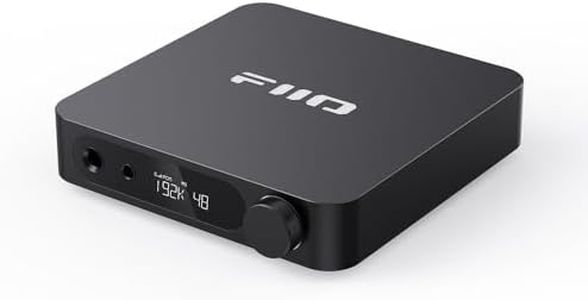
Power Output: 1400W
Impedance Matching: 16 Ohm
Total Harmonic Distortion (THD): minimal
Signal-to-Noise Ratio (SNR): high
Portability: 2.2 pounds, 5.11 x 5.11
Connectivity Options: USB, coaxial, optical, headphone, RCA
How do we rank products for you?

Our technology thoroughly searches through the online shopping world, reviewing hundreds of sites. We then process and analyze this information, updating in real-time to bring you the latest top-rated products. This way, you always get the best and most current options available.

headphones-stars

Buying Guide for the Best Headphones Amplifiers

When choosing a headphone amplifier, it's important to understand that this device can significantly enhance the sound quality of your headphones. A good amplifier can provide better clarity, detail, and volume, making your listening experience more enjoyable. To find the best fit for you, consider the following key specifications and how they align with your needs.
Power OutputPower output refers to the amount of power the amplifier can deliver to your headphones. This is important because it determines how loud and clear the sound will be. Generally, power output is measured in milliwatts (mW). Low power output (under 100mW) is suitable for in-ear monitors and efficient headphones. Medium power output (100-500mW) is good for most over-ear headphones. High power output (over 500mW) is necessary for high-impedance or less sensitive headphones. Choose an amplifier with a power output that matches the requirements of your headphones to ensure optimal performance.
Impedance MatchingImpedance matching is the process of ensuring that the amplifier's output impedance is compatible with the impedance of your headphones. This is crucial for achieving the best sound quality and avoiding distortion. Headphones typically have an impedance ranging from 16 to 600 ohms. Low-impedance headphones (16-32 ohms) work well with most portable amplifiers, while high-impedance headphones (over 100 ohms) may require a more powerful desktop amplifier. Check the impedance of your headphones and choose an amplifier that can handle it effectively.
Total Harmonic Distortion (THD)Total Harmonic Distortion (THD) measures the amount of distortion an amplifier introduces to the audio signal. Lower THD values indicate cleaner and more accurate sound reproduction. THD is usually expressed as a percentage. A THD of less than 0.1% is considered excellent and will provide high-fidelity sound. If you are an audiophile or someone who values sound purity, look for amplifiers with very low THD. For casual listeners, slightly higher THD values may still be acceptable.
Signal-to-Noise Ratio (SNR)Signal-to-Noise Ratio (SNR) indicates the level of the desired audio signal compared to the level of background noise. A higher SNR means less background noise and clearer sound. SNR is measured in decibels (dB). An SNR of 90dB or higher is generally considered good, with higher values (100dB or more) being ideal for critical listening. If you listen to music in quiet environments or are sensitive to background noise, prioritize amplifiers with a high SNR.
PortabilityPortability refers to how easy it is to carry and use the amplifier on the go. Portable amplifiers are compact, lightweight, and often battery-powered, making them ideal for use with mobile devices. Desktop amplifiers, on the other hand, are larger and require a power outlet, but they typically offer better performance and more features. If you need an amplifier for travel or use with a smartphone, choose a portable model. For home use with a dedicated audio setup, a desktop amplifier may be more suitable.
Connectivity OptionsConnectivity options determine how you can connect your headphones and audio sources to the amplifier. Common connections include 3.5mm and 6.3mm headphone jacks, RCA inputs, and digital inputs like USB or optical. Some amplifiers also offer Bluetooth connectivity for wireless use. Consider the devices you plan to use with the amplifier and ensure it has the necessary inputs and outputs. If you have multiple audio sources or prefer wireless convenience, look for amplifiers with versatile connectivity options.

FAQ