We Use CookiesWe use cookies to enhance the security, performance, functionality and for analytical and promotional activities. By continuing to browse this site you are agreeing to our privacy policy

7 Best GPS Tracking Devices For Hiking 2026 in the United States

#1

Winner

10.0 score

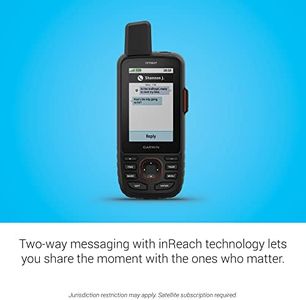
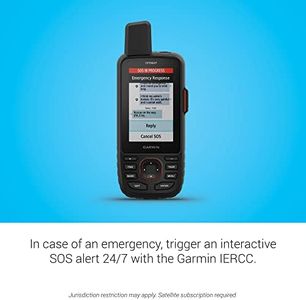
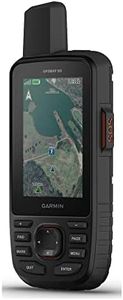
Garmin GPSMAP 67i Rugged GPS Handheld with inReach® Satellite Technology, Two-Way Messaging, Interactive SOS, Mapping
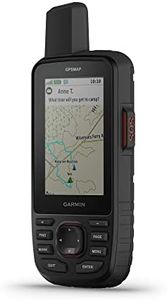
The Garmin GPSMAP 67i Rugged GPS Handheld is a solid choice for hikers needing reliable GPS tracking with comprehensive features. One of its standout strengths is the extensive battery life, offering up to 165 hours in 10-minute tracking mode and an impressive 425 hours in expedition mode. This ensures you can rely on it for extended outings without frequent recharging. Durability is another major advantage, as the device is built to withstand tough outdoor conditions, making it a dependable companion for challenging hikes. It also includes water resistance, which is crucial for unpredictable weather scenarios.

Rating
10.0
Chosen by1,444
Battery Life
Durability and Water Resistance
Satellite Connectivity

Most important from
348 reviews

Battery Life
Battery life is impressive, lasting several days on a single charge, ideal for multi-day trips.
Durability and Water Resistance
Built to withstand harsh outdoor conditions, the device is waterproof and impact-resistant.
Satellite Connectivity
The GPSMAP 67i offers extremely accurate tracking even in dense forests or remote areas, making it a reliable navigation tool.
Mapping and Navigation Features
Preloaded maps and the ability to add more terrain maps make this device perfect for outdoor enthusiasts.
Size and Weight
A rugged beast that covers a fantastic range of functionality, adding only a couple of ounces to your gear.
User Interface and Ease of Use
Although there's a learning curve, tons of YouTube videos make mastering this unit manageable.
Additional Features
Combining GPS and inReach features in one device is fantastic, reducing the need for multiple gadgets.
#2
10.0 score

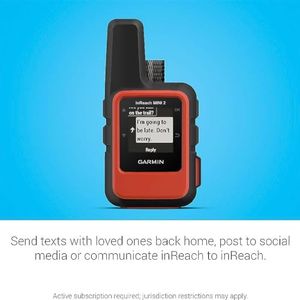
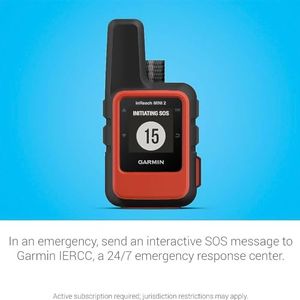
Garmin inReach Mini 2, Lightweight and Compact Satellite Communicator, Hiking Handheld, Orange - 010-02602-00
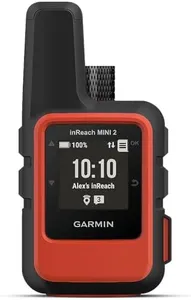
The Garmin inReach Mini 2 is a compact and lightweight satellite communicator ideal for hikers who need reliable GPS tracking and communication. It's small enough to fit in your pocket, weighing just 3.5 ounces, and its dimensions are 2.04 x 3.9 x 1.03 inches. The device's battery life is impressive, lasting up to 14 days in 10-minute tracking mode, making it suitable for longer hiking trips.

Rating
10.0
Battery Life
Durability and Water Resistance
Satellite Connectivity

Most important from
2079 reviews

Battery Life
Lightweight and superb connectivity, with battery life that seems to last forever.
Durability and Water Resistance
Durable and portable, it works well with or without the phone app.
Satellite Connectivity
Provides peace of mind and works flawlessly in remote areas, far better than relying on iPhone's satellite SOS functionality.
Size and Weight
Lightweight and superb connectivity, with battery life that seems to last forever.
#3
8.8 score

Garmin eTrex 32x, Rugged Handheld GPS Navigator
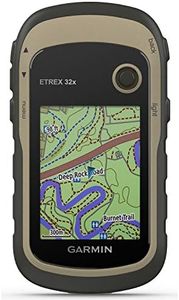
The Garmin eTrex 32x is a durable and rugged handheld GPS navigator designed for outdoor enthusiasts. One of its main strengths lies in its impressive battery life, lasting up to 25 hours on two AA batteries, which is ideal for extended hiking trips. The device's 2.2-inch sunlight-readable color display, although small, offers decent readability with a resolution of 240 x 320 pixels.

Rating
8.8
Battery Life
Satellite Connectivity
Mapping and Navigation Features

Most important from
635 reviews

Battery Life
The Garmin eTrex 32x is praised for its impressive battery life, thanks to its use of AA batteries instead of lithium-ion, ensuring longevity.
Satellite Connectivity
This device is a little powerhouse with detailed color maps and excellent accuracy, even in areas where cell service is lost.
Mapping and Navigation Features
Downloading additional maps online enhances its functionality for specific regions.
User Interface and Ease of Use
While the graphics and accuracy are highly rated, the instructions for use are considered poor, making user-created YouTube videos a necessary resource.

Top 7 Best GPS Tracking Devices For Hiking 2026 in the United States

#1

Winner

10.0  score

Garmin GPSMAP 67i Rugged GPS Handheld with inReach® Satellite Technology, Two-Way Messaging, Interactive SOS, Mapping
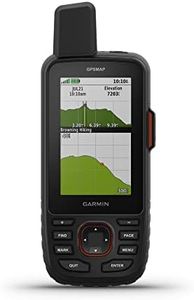
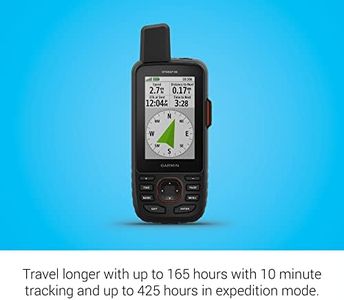
Battery Life: 165 hours, 425 hours in expedition
Durability and Water Resistance: Tough conditions, water-resistant
Satellite Connectivity: Global Iridium, two-way messaging, SOS
Mapping and Navigation Features: TopoActive maps, multi-band GNSS, sensors
Size and Weight: 8.1 ounces, 2.5 x 6.4 x 1.4
User Interface and Ease of Use: 3-inch color display, button-operated
Additional Features: Bluetooth, USB, smartphone pairing, weather

Chosen by 1444 this week

Garmin inReach Mini 2, Lightweight and Compact Satellite Communicator, Hiking Handheld, Orange - 010-02602-00
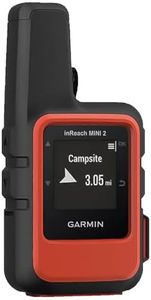
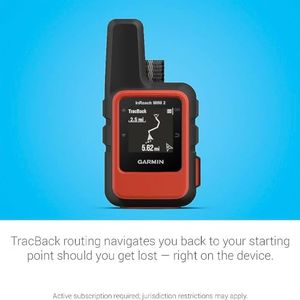
Battery Life: 14 days in tracking mode
Durability and Water Resistance: Water-resistant
Satellite Connectivity: Yes
Mapping and Navigation Features: Digital compass, TracBack routing
Size and Weight: 3.5 oz, 2.04 x 3.9 x 1.03 in
User Interface and Ease of Use: 1.27 in screen, 176 x 176 resolution
Additional Features: Two-way messaging, SOS, Bluetooth

Garmin eTrex 32x, Rugged Handheld GPS Navigator

Battery Life: 25 Hours
Durability and Water Resistance: Durable, water-resistant
Satellite Connectivity: GPS, GLONASS
Mapping and Navigation Features: TopoActive maps, 3-axis compass, altimeter
Size and Weight: 4 x 2.1 x 1.3 in, 5 oz
User Interface and Ease of Use: Buttons
Additional Features: 8 GB memory, micro SD slot

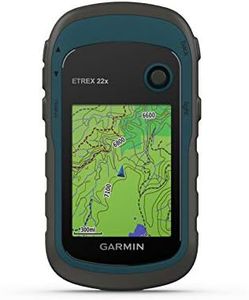
Garmin 010-02256-00 eTrex 22x, Rugged Handheld GPS Navigator, Black/Navy
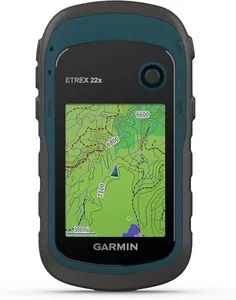
Battery Life: 25 Hours
Satellite Connectivity: GPS and GLONASS
Mapping and Navigation Features: Preloaded maps, routable roads, trails
Size and Weight: 5 oz, 2.1 x 1.3 x 4 in
User Interface and Ease of Use: Physical buttons
Additional Features: Bluetooth, 8 GB memory, micro SD

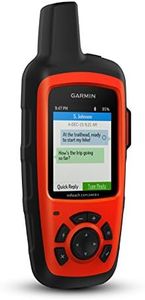
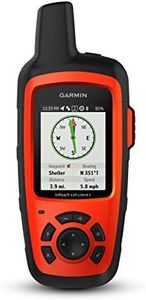
Garmin 010-01735-10 inReach Explorer+, Handheld Satellite Communicator with Topo Maps and GPS Navigation

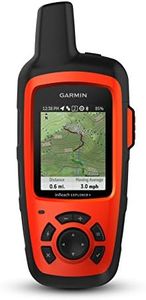
Battery Life: 30 hours
Durability and Water Resistance: IPX7 water resistant
Satellite Connectivity: Iridium network
Mapping and Navigation Features: Preloaded topo maps, GPS routing
Size and Weight: 8 oz, 1.5x2.7x6.5 inches
User Interface and Ease of Use: 2.3 inch screen, button controls
Additional Features: Altimeter, compass, texting, SOS alerts

Garmin GPSMAP 66i, GPS Handheld and Satellite Communicator, Featuring TopoActive Mapping and inReach Technology
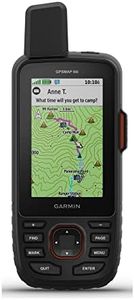
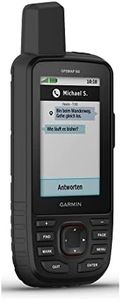
Battery Life: 35 hours standard, 200 hours expedition
Durability and Water Resistance: Durable and water-resistant
Satellite Connectivity: Global Iridium, Multi-GNSS support
Mapping and Navigation Features: Preloaded TOPO maps, Birdseye imagery
Size and Weight: 6.4 x 2.6 x 1.4 inches, 1.28 oz
User Interface and Ease of Use: Buttons
Additional Features: SOS alerts, two-way messaging, weather forecasts
How do we rank products for you?

Our technology thoroughly searches through the online shopping world, reviewing hundreds of sites. We then process and analyze this information, updating in real-time to bring you the latest top-rated products. This way, you always get the best and most current options available.

headphones-stars

Buying Guide for the Best GPS Tracking Devices For Hiking

When choosing a GPS tracking device for hiking, it's important to consider several key specifications to ensure you get a device that meets your needs. A good GPS tracker can enhance your hiking experience by providing accurate location data, helping you navigate trails, and ensuring your safety. Here are the key specs to look out for and how to choose the best one for you.
Battery LifeBattery life refers to how long the GPS device can operate before needing a recharge or new batteries. This is crucial for hiking, especially on longer trips where access to power sources may be limited. Devices with longer battery life (20+ hours) are ideal for multi-day hikes, while shorter battery life (10-20 hours) may be sufficient for day hikes. Consider your typical hiking duration and choose a device that will last throughout your adventures.
Durability and Water ResistanceDurability and water resistance indicate how well the device can withstand harsh outdoor conditions. A durable, water-resistant GPS tracker is essential for hiking, as it will be exposed to elements like rain, dust, and rough handling. Look for devices with high IP ratings (IPX7 or higher) for water resistance and robust build quality to ensure they can handle the rigors of the trail.
Satellite ConnectivitySatellite connectivity determines how well the device can connect to GPS satellites to provide accurate location data. Devices that support multiple satellite systems (like GPS, GLONASS, and Galileo) offer better accuracy and reliability, especially in challenging environments like dense forests or deep valleys. For the best performance, choose a device that supports multiple satellite systems to ensure you stay on track no matter where you are.
Mapping and Navigation FeaturesMapping and navigation features include preloaded maps, route planning, and turn-by-turn navigation. These features are important for helping you find your way on unfamiliar trails and ensuring you stay on course. Devices with detailed topographic maps and the ability to download additional maps are ideal for serious hikers. If you often hike in remote areas, look for a device with robust mapping and navigation capabilities to enhance your hiking experience.
Size and WeightSize and weight refer to the physical dimensions and heft of the GPS device. For hiking, a compact and lightweight device is preferable, as it will be easier to carry and less cumbersome. However, smaller devices may have fewer features or shorter battery life. Consider your preference for portability versus functionality and choose a device that strikes the right balance for your hiking needs.
User Interface and Ease of UseThe user interface and ease of use determine how simple it is to operate the GPS device. A device with an intuitive interface, clear display, and easy-to-navigate menus will be more user-friendly, especially in challenging outdoor conditions. Look for devices with large, readable screens and straightforward controls. If you're new to GPS devices, prioritize ease of use to ensure you can quickly and efficiently access the information you need while hiking.
Additional FeaturesAdditional features can include things like SOS functionality, two-way messaging, weather updates, and fitness tracking. These features can enhance your hiking experience and provide added safety and convenience. For example, an SOS feature can be crucial in emergencies, while two-way messaging allows you to stay in touch with others. Consider which additional features are important to you and choose a device that offers those capabilities to meet your specific hiking needs.

FAQ